Most language apps promise to make you fluent, but they often just keep you tapping on screens. If you want to actually speak, you might be weighing up ChatGPT vs TalkPal. One is a massive general assistant that can talk about anything, while the other is a dedicated app built just for language learners. They take completely different paths to help you practise. One gives you total freedom, while the other guides you through set scenarios.
Verdict: Choose ChatGPT if you want highly natural, flowing conversations and deep grammar explanations, though you must guide the chat yourself. Choose TalkPal if you want structured scenarios and instant visual corrections, and do not mind a more robotic voice.
| Feature | ChatGPT | TalkPal |
|---|---|---|
| Lesson Structure | Unstructured and open-ended with no built-in curriculum. | Highly structured featuring nine distinct practice modes. |
| Speaking Practice | Real-time full-duplex voice engine matching natural human talking speeds. | Turn-based interactive conversational modes and simulated phone calls. |
| Feedback Mechanism | Reactive explanations provided only when prompted by the user. | Proactive visual inline grammar corrections and pronunciation scoring. |
| Spaced Repetition | None natively, requiring manual prompts to track vocabulary. | None natively, lacking a dedicated system for reviewing vocabulary. |
| Gamification | None, featuring a clean professional utility interface. | Moderate, featuring streaks, achievements, and progress charts. |
| Live Human Tutoring | None. | None. |
| Speaking Practice & Flow | Full-duplex architecture allowing simultaneous speaking and mid-sentence interruptions. | Turn-based flow requiring users to wait for the AI. |
| Listening Comprehension & Voice Quality | Nine natural human-like voices capturing breaths, pauses, and inflections. | Robotic voices lacking realistic conversational variance. |
| Grammar Explanations & Depth | Deep explanations of complex syntax rules, etymology, and idioms. | Shallow explanations addressing correct forms without underlying rules. |
| Offline Use | None, requiring an active internet connection. | None, requiring an active internet connection. |
| Content Freshness | High, incorporating real-time web search and memory. | Static, limited to pre-programmed scenarios and general prompts. |
| Price | Free Plan: $0 month; Go Plan: $8 month; Plus Plan: $20 month; Pro Plan: $100–$200 month; Business Plan: $20–$25 seat/month | Basic (Free) Plan: $0 month; Premium Monthly Plan: $9.99–$14.99 month; Premium Annual Plan: $4.99 month; Premium 2-Year Plan: $6.25 month |
_Prices checked 2026-09-18._
Where ChatGPT wins on voice and depth
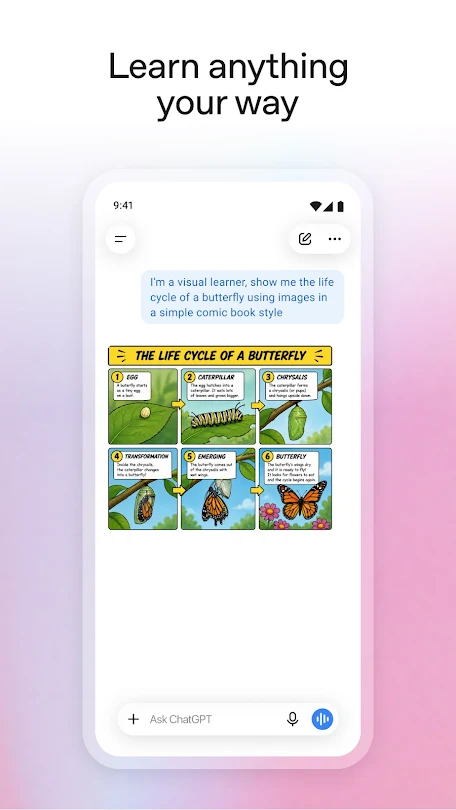
ChatGPT leads on the quality of its voice engine. It uses a full-duplex system so you can speak and interrupt mid-sentence, matching natural human talking speeds. The system has nine voices that capture realistic breaths, pauses, and inflections. This makes speaking feel like a real conversation instead of a rigid exercise.
It also gives deep explanations. If you ask about a complex grammar rule, word origin, or idiom, ChatGPT explains the reasoning in any of its 100 supported languages. You can instantly change its persona or role to suit your needs, which gives you total customisability. You can learn more about these voice capabilities at https://help.openai.com/en/articles/20001274-chatgpt-voice.
But this freedom comes with a catch. Beginners will struggle because you have to constantly prompt the tool to make it act like a tutor. There are also strict rolling limits on the advanced live voice mode, which can cut your practice sessions short.
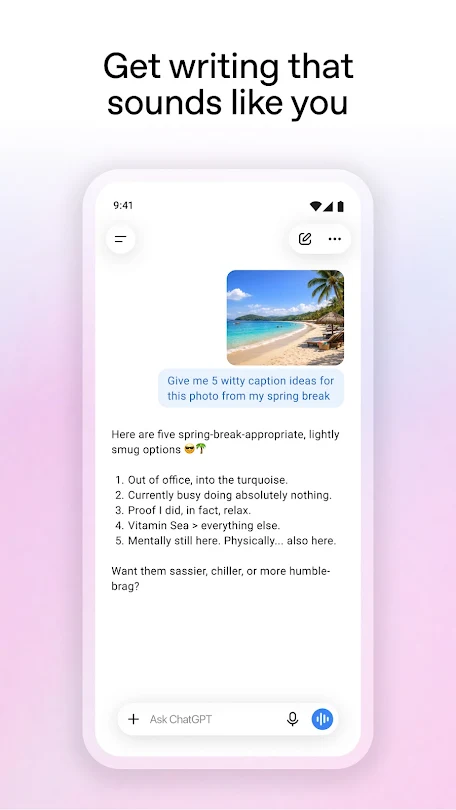
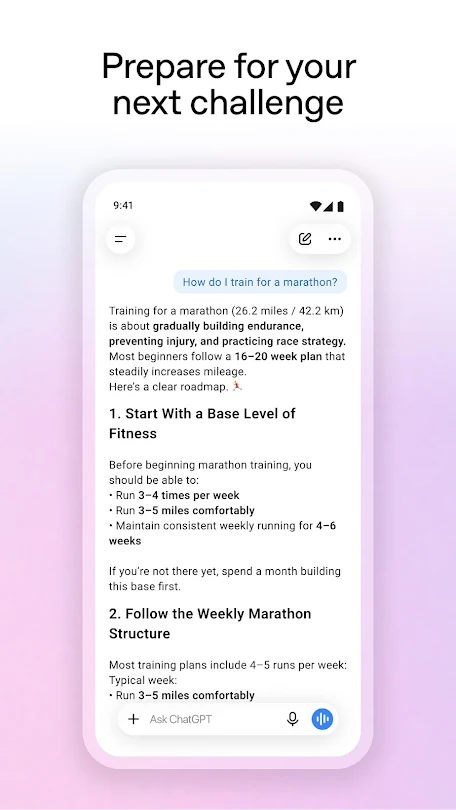
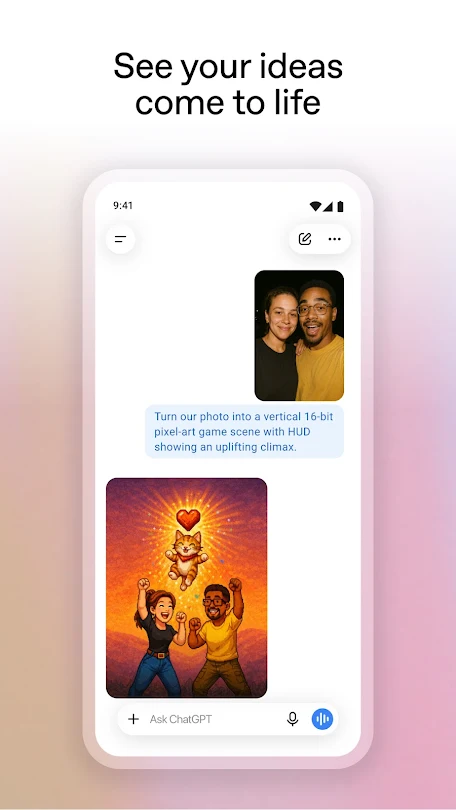 Image: help.openai.com.
Where TalkPal wins on structure and scenarios
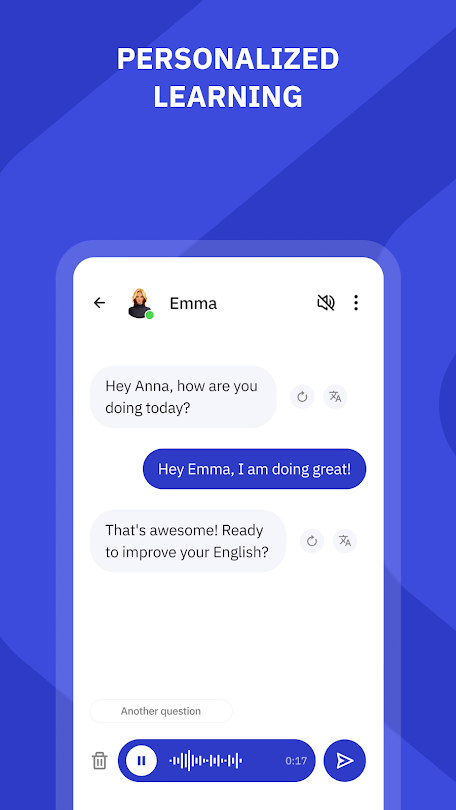
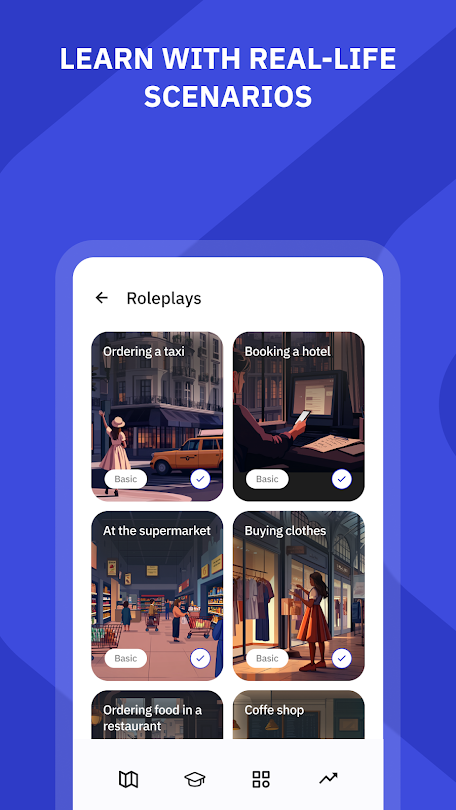
TalkPal is built specifically for language learning, so you do not have to design your own curriculum. It has pre-built lessons with over 300 scenarios. This structure helps if you want to practise real-world situations without worrying about what to say next. To see how the platform structures its lessons, visit https://talkpal.ai/about/.
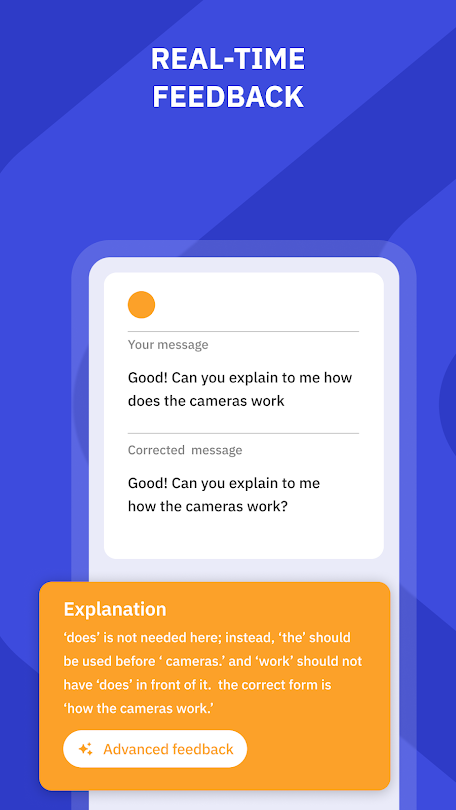
The app also gives immediate visual corrections. As you speak, it shows real-time pronunciation scores and highlights grammar mistakes on the screen. This feedback helps you catch mistakes immediately, whereas ChatGPT forces you to ask for corrections.
But TalkPal has clear downsides. Its synthesised voices sound robotic and stiff. Advanced learners will find the content shallow. It fails to challenge you at higher levels and does not offer post-lesson error summaries or diagnostic breakdowns.
How they teach: structure versus freedom
The two platforms use completely different teaching methods. TalkPal uses a structured approach with nine practice modes, including simulated phone calls and turn-based chats. It also uses basic gamification, like streaks, achievements, and progress charts, to keep you coming back.
ChatGPT offers an open-ended experience with no built-in curriculum. You have to guide the conversation yourself. While TalkPal forces you to wait for the AI to finish speaking, ChatGPT lets you interrupt and speak naturally.
Feedback is another major difference. TalkPal corrects your grammar and pronunciation on the screen as you speak. ChatGPT is entirely reactive. It only explains grammar rules if you explicitly ask it to. Neither platform has a built-in spaced repetition system to help you review vocabulary.
Price and value compared
Both platforms have free options, but their paid tiers target very different budgets. ChatGPT has a Free Plan, a Go Plan at $8 a month, and a Plus Plan at $20 a month. Its Pro Plan costs $100 to $200 a month, while the Business Plan runs from $20 to $25 per user each month. TalkPal has a free plan, but its premium options are much cheaper. The Premium Monthly Plan costs between $9.99 and $14.99 a month. If you commit to a longer term, the Premium Annual Plan costs $4.99 a month, and the 2-Year Plan costs $6.25 a month. If you want a structured, cheap tool with pre-made scenarios, TalkPal is the clear winner at under five dollars a month on the annual plan. If you prefer natural conversations and deep grammar explanations, ChatGPT Plus is worth the higher price, as long as you are happy to manage your own prompts.
Which one should you pick?
Choose ChatGPT if:
- You want natural, human-like voices that capture realistic pauses.
- You want to interrupt the AI mid-sentence and speak at a normal pace.
- You want deep explanations of grammar rules, word origins, and idioms.
- You are happy to write your own prompts to set up custom roles.
Choose TalkPal if:
- You want structured practice with over 300 pre-built scenarios and nine modes.
- You want instant visual feedback on your pronunciation and grammar.
- You want a cheap premium plan that costs under five dollars a month on the annual tier.
- You prefer guided lessons over open-ended conversations where you have to lead.
When TalkPal wins. TalkPal is the better choice if you are a beginner who gets stuck deciding what to say. Its 300 pre-built scenarios and structured modes guide you without needing any prompt engineering.
FAQ
Can I use ChatGPT instead of TalkPal?
Yes, you can use ChatGPT as a speaking partner. It has natural voices and explains complex grammar rules well. But it lacks TalkPal's structured lessons, pre-built scenarios, and automatic pronunciation scoring, so you have to guide the conversation yourself.
Is TalkPal AI free to use?
TalkPal has a free plan, but it is limited. To get unlimited practice, you need a premium plan. These start at under five dollars a month on the annual plan, or between $9.99 and $14.99 on the monthly plan.
Is TalkPal better than ChatGPT for language learning?
TalkPal is better if you want structured practice, visual grammar corrections, and pre-made scenarios. ChatGPT is better if you want natural, flowing conversations. ChatGPT has realistic voices and lets you interrupt mid-sentence, while TalkPal's voices sound robotic and stiff.
Does ChatGPT correct your grammar when speaking?
ChatGPT does not correct your grammar automatically. It only explains your mistakes if you ask it to. TalkPal shows visual corrections on your screen to highlight grammar slips and pronunciation scores in real time.
While both tools offer different ways to practise, managing prompts or dealing with robotic voices can slow you down. For a simpler way to build real-world speaking confidence, try HearSay to get personalised audio lessons delivered directly to your WhatsApp.