Moving from solo app study to speaking with real people is terrifying. If you are trying to overcome speaking anxiety, you are likely weighing up italki vs Lingoda to help you start talking.
One offers a massive marketplace of independent tutors, while the other runs a structured online school with a set curriculum. The choice comes down to whether you want to design your own path with a consistent partner or follow a strict, pre-planned syllabus. Both approaches can get you talking, but they suit completely different learners.
Verdict: Choose italki if you want affordable, highly customisable one-on-one lessons with a consistent tutor you hand-pick. It works best for gentle, low-pressure conversation practice. Choose Lingoda if you want a highly structured, school-like curriculum with certified teachers and do not mind rotating instructors or rigid schedules.
| Feature | italki | Lingoda |
|---|---|---|
| Speaking Practice & Output Volume | Extremely high with active speaking for 30 to 45 minutes. | Moderate in groups with 5 to 10 minutes of speaking. |
| Lesson Structure & Progression | Lax and adaptive progress depending on student-tutor agreements. | Highly linear and CEFR-aligned step-by-step curriculum. |
| Curriculum Customisation | Total customisation allowing learners to direct lessons entirely. | Rigid and fixed lessons following predefined PDF slideshows. |
| Teacher Selection & Consistency | Students hand-pick consistent teachers to build long-term dynamics. | Pre-assigned rotating teachers forcing exposure to varied accents. |
| Grammar Depth & Systematic Review | Highly variable with gaps appearing without external self-study. | Deep and systematic with isolated concepts and post-class quizzes. |
| Cost per Hour Value | High value private lessons averaging 10 to 40 dollars hourly. | Moderate to high with expensive private lessons but reasonable groups. |
| Anxiety Management | Safe, gentle, one-on-one environment ideal for severe anxiety. | Shared peer support in groups, though public speaking can trigger anxiety. |
| Language Options & Accents | Massive selection of over 150 languages and regional dialects. | Extremely limited to five major European languages. |
| Cancellation & Attendance Rules | Generous changes up to 24 hours in advance. | Strict 72-hour notice required to avoid forfeiting credits. |
| Technology Integration | Flexible options including Classroom, Zoom, Skype, FaceTime, Teams, or WeChat. | Standardised Zoom classes with integrated drawing tools on PDFs. |
| Price | Community Tutors: $4.00 to $20.00 per hour; Professional Teachers: $20.00 to $40.00+ per hour; Group Classes: $10.00 to $15.00 per class | Group Classes (5 classes): $79.99 per month; Group Classes (40 classes): $429.99 per month; Private Classes (5 classes): $184.99 per month; Private Classes (40 classes): $899.99 per month |
_Prices checked 2026-09-30._
Where italki wins
italki (https://company.italki.com/) works best if you want complete control over who teaches you and what you study. With over 150 languages and dialects available on the platform, you can find tutors for almost any regional accent, slang, or rare language. You can hand-pick your own teachers and get to know them over several weeks, which helps ease speaking nerves during your lessons. This setup gives you much more actual speaking time—often 30 to 45 minutes of active talk per hour-long session.
The platform also lets you direct your lessons based on your own goals, like preparing for a job interview or just practising casual conversation. The cancellation policy is also generous: you can reschedule up to 24 hours in advance without losing your money.
But this freedom means you have to do the work. Without a set curriculum, you might miss core grammar points. You also have to vet teachers yourself, which takes time because quality varies across the platform.
Where Lingoda wins
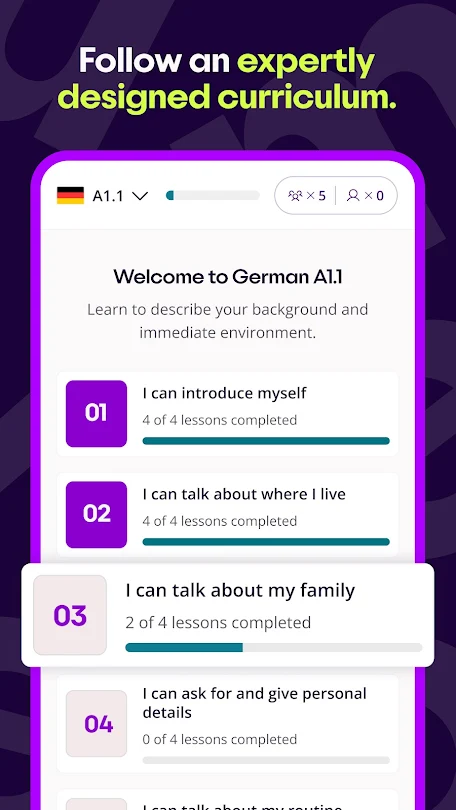
Lingoda (https://www.lingoda.com/en/) works better if you want a clear, structured path to fluency. The school uses a highly linear, CEFR-aligned curriculum that guides you step by step through your chosen language from beginner to advanced. When you finish a level, you get an official CEFR certificate, which is useful for work or study. Every teacher is a fully qualified, native-level professional, so the teaching quality remains consistent across different classes.
Lessons focus on specific grammar points, backed up by post-class quizzes to reinforce what you learn. This structure helps you make steady progress without having to plan your own lessons.
But this academic structure limits your flexibility. Lingoda only offers five languages: English, Business English, German, French, and Spanish. You cannot stick with one tutor because Lingoda rotates its teachers, so you will study with someone new almost every class. The lessons rely on fixed PDF slides, and the strict 72-hour cancellation policy means you lose your credit if you cancel late.
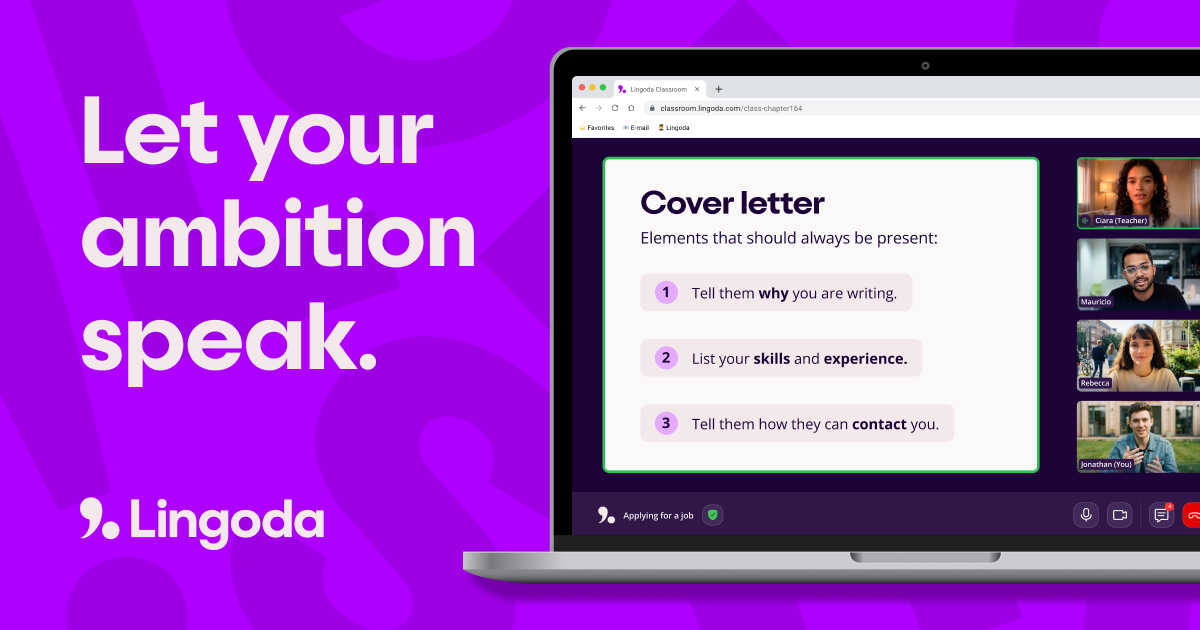 Image: lingoda.com.
How the two platforms teach
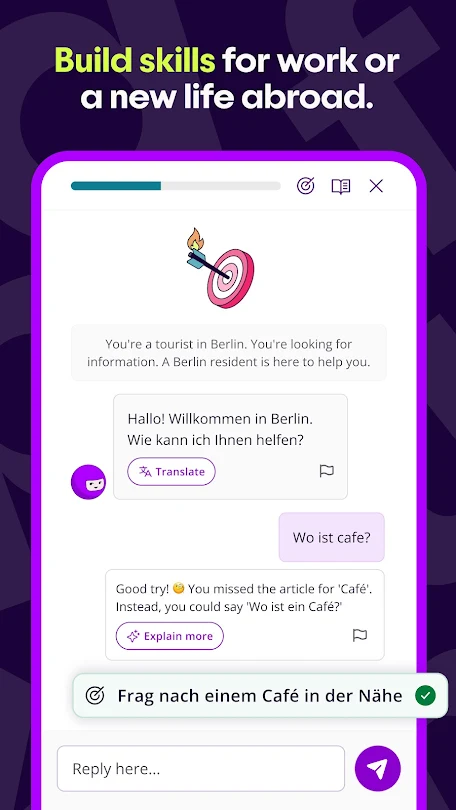
The actual classes feel completely different. On italki, lessons are strictly one-on-one, which is much less intimidating if you get nervous speaking to strangers. You can connect via Zoom, Skype, FaceTime, Teams, WeChat, or italki's own classroom. Since you are the only student in the room, you talk for most of the hour, which builds your confidence quickly.
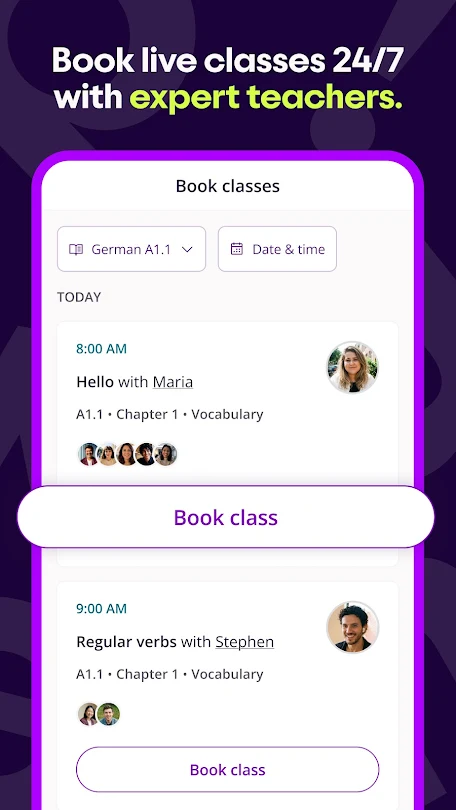
Lingoda uses Zoom classes where you interact with PDF slides using drawing tools. They offer private classes, but most students take the cheaper small-group options. In these groups of three to five, you share the spotlight, which cuts your individual speaking time to about 5 or 10 minutes per hour. While you get peer support, speaking in front of strangers can make anxiety worse for quieter learners.
Price and value compared
The pricing models match their different styles. italki operates as a pay-as-you-go marketplace with absolutely no subscription pressure. Community tutors charge between $4.00 and $20.00 per hour, while professional teachers cost from $20.00 to over $40.00 per hour depending on their experience. If you prefer group settings, italki group classes cost between $10.00 and $15.00 each. This works well if your budget changes from week to week.
Lingoda requires a monthly subscription. Group classes cost from $79.99 a month for 5 classes up to $429.99 for 40 classes. Private classes are much more expensive, starting at $184.99 a month for 5 classes and rising to $899.99 for 40 classes.
For cheap, flexible private lessons, italki offers better value. Lingoda is a big financial commitment, but the structured school setup can be worth it if you need discipline.
Which one should you pick?
Choose italki if:
- You want to find one friendly tutor and stick with them to build confidence.
- You want to choose your own topics and set your own pace.
- You want up to 45 minutes of active speaking time per hour.
- You need a flexible 24-hour cancellation policy.
Choose Lingoda if:
- You want a structured, school-like curriculum aligned with CEFR levels.
- You want qualified, native-level teachers for every class.
- You want to earn official certificates as you progress.
- You prefer learning with other students in small group classes.
When Lingoda wins. Lingoda is the better choice if you need a clear path to a formal qualification. If you struggle to self-study and want a pre-made curriculum that awards official CEFR certificates, its structured group classes will keep you on track.
FAQ
What is the main difference between Lingoda and italki?
italki is a marketplace where you choose independent tutors for customisable, one-on-one lessons. Lingoda is an online school with a fixed curriculum, qualified teachers, and rotating instructors in group or private classes.
How much does Lingoda cost compared to italki?
italki is pay-as-you-go, with community tutors charging $4.00 to $20.00 per hour and professional teachers charging $20.00 to over $40.00. Lingoda requires monthly subscriptions, from $79.99 for five group classes to $899.99 for 40 private classes.
Can you become fluent with Lingoda?
Yes, Lingoda's structured CEFR curriculum and qualified teachers can help you build fluency. But because group classes limit your individual speaking time to 5 or 10 minutes, you have to make an effort to speak up.
Is italki good for conversation practice?
Yes. Because lessons are one-on-one, you get 30 to 45 minutes of active speaking time. Choosing a consistent tutor also helps ease speaking anxiety and lets you focus on topics you actually care about.
Both platforms help you start speaking with real people, whether you want a customisable tutor or a structured school. If you want to build your confidence before booking live calls, try HearSay for daily, hands-free speaking practice directly inside WhatsApp.