
In speaking with freelance language teachers over the past year, I’ve heard this point time and again.
Teachers want to focus on teaching, not marketing themselves.
I get it. As a product designer, I just wanted to focus on building product, not selling it. Unfortunately though, it’s not the reality we live in.
The freelance language tutoring market is projected to grow from about $49 billion to over $120 billion within a decade. That’s a huge opportunity. But it also means you’re competing with thousands of other teachers in a crowded space.
How do you stand out as a teacher in a sea of thousands? How do students find you instead of the generic “English Teacher” with 500 followers?
Teachers are being pressured to become content creators to survive.
At HearSay, we want to help teachers connect with students so they can focus on what they do best: teaching. Teachers can create personalized audio for their students, share it anywhere via link or QR, and when students subscribe for unlimited lessons, teachers share in the revenue.
We’re also experimenting with featuring a select group of HearSay teachers on our social channels: helping them reach new students and helping learners discover unique lessons those teachers have created.
In the rest of this article, I’ll share four strategies that I’ve seen work for freelance language teachers trying to build a sustainable student base, without becoming full-time influencers.

1. Pick a Niche
Trying to teach “everyone” usually results in attracting no one. Specialization isn’t just about marketing, it’s also about earning potential. General conversation tutors often earn significantly less per hour than teachers who specialize in business English, exam prep, or pronunciation coaching.
The takeaway: if you specialize, you can often work fewer hours for the same income.
Your niche should answer three questions:
- What do you actually enjoy teaching? Sustainability matters. You’ll burn out teaching test prep if you hate it.
- What experience can you leverage? Worked in hospitality? Teach English for hotel staff. Tech background? Business English for developers.
- Who has an urgent need and budget? Professionals preparing for job interviews pay more than casual learners looking for conversation practice.
Instead of “Experienced ESL Teacher,” you can say: “I help Spanish nurses pass the OET exam in 12 weeks” or “I teach French professionals to lead English meetings without hesitation.”
2. Post Problem-Focused Content Twice a Week
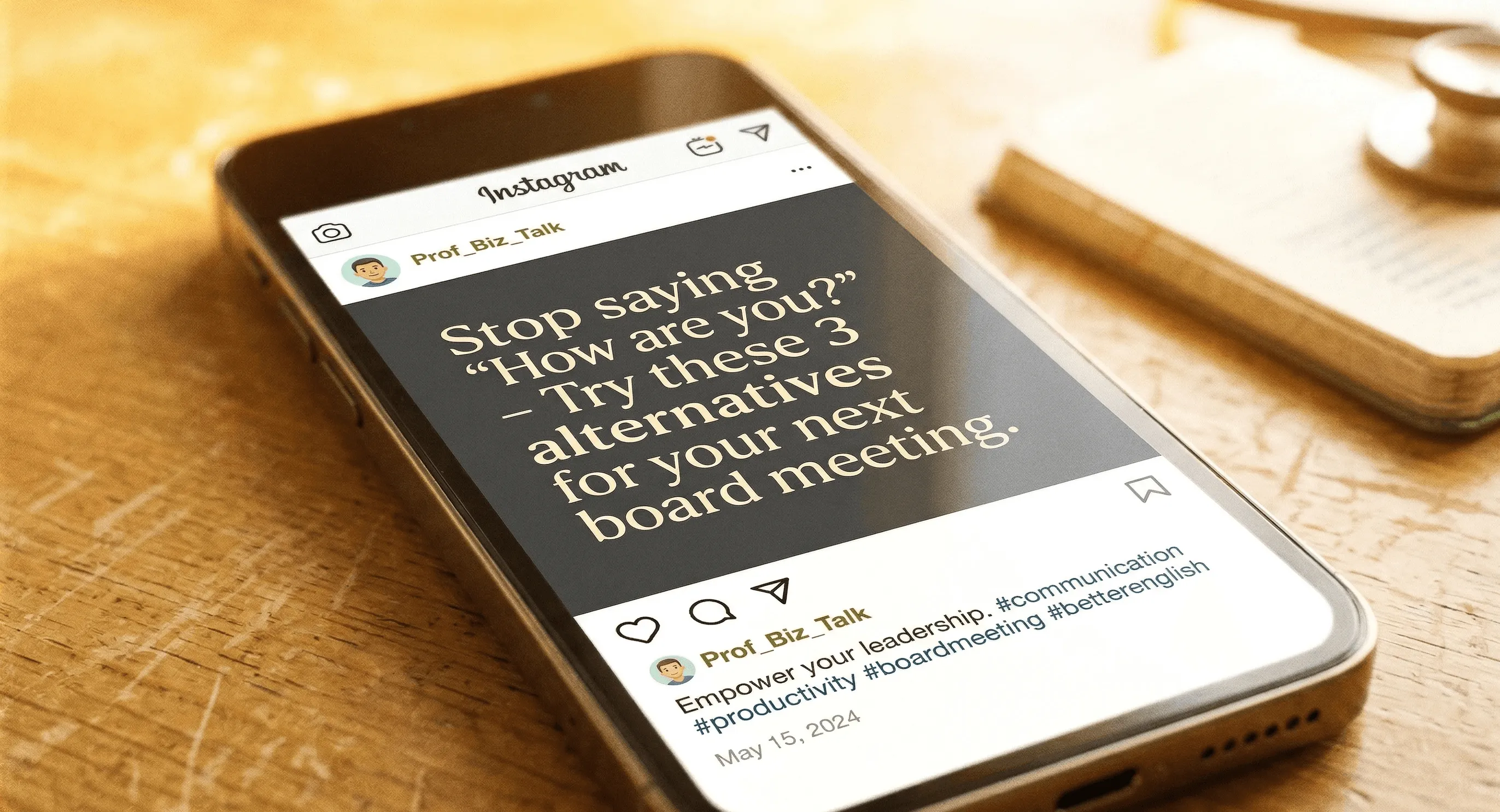
There’s no need to release content daily on social media. But in 2026, having no online presence makes it harder, especially when students increasingly discover teachers via social channels and professional networks. The key is to avoid generic grammar tips and instead post problem-focused content.
A format that works:
- Hook: call out a specific learner pain point (“All my Italian students struggle with this one thing: [specific problem]”).
- Tiny solution: offer one small, practical fix or phrase they can use today.
- Call to action: “Link in bio to book a roadmap session.”
A hyper-niche account (for example, “English for Spanish Accountants”) can fill a schedule with a few hundred engaged followers because the pain is specific and urgent, whereas a generic “Learn English” account might need thousands of followers to have similar demand.
To keep it sustainable, aim for two posts per week:
- 1 reel or short video addressing a concrete problem (no need for any fancy filming).
- 1 static post or carousel that deepens your niche positioning.
That’s 8 pieces of content a month: enough to build visibility without swallowing your life.
3. Charge a Small Fee for Intro Assessments
Free sessions often attract people who are curious or looking for free conversation rather than serious learners. Many independent teachers see low conversion from free trials to paid packages, often in the 5-10% range. When teachers switch to low-cost paid intro sessions, conversion rates can jump significantly.
Think about replacing “free trials” with a paid “Roadmap Session,” for example:
- 30 minutes, at a small price (e.g. €5 to €10).
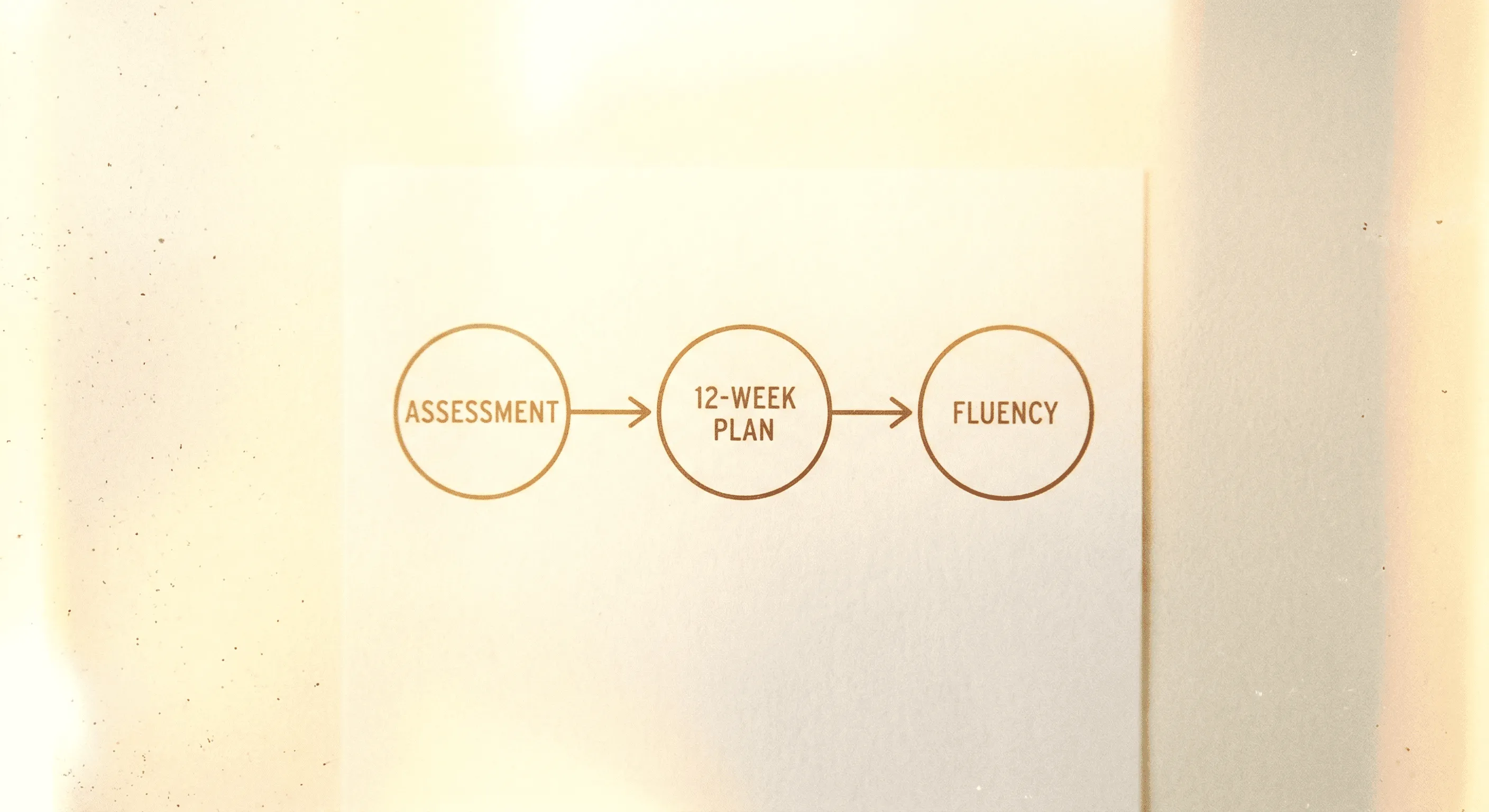
- Includes: level assessment and a personalized 12-week plan (keep it high-level).
This changes the positioning from “free sample” to “strategic consultation,” and respects both your time and the student’s seriousness.
At the end of that session, if the fit is good, you can then offer a 10-lesson package with clear outcomes and pricing.
4. Make Booking Instant (Cal.com, Calendly & Your Bio)
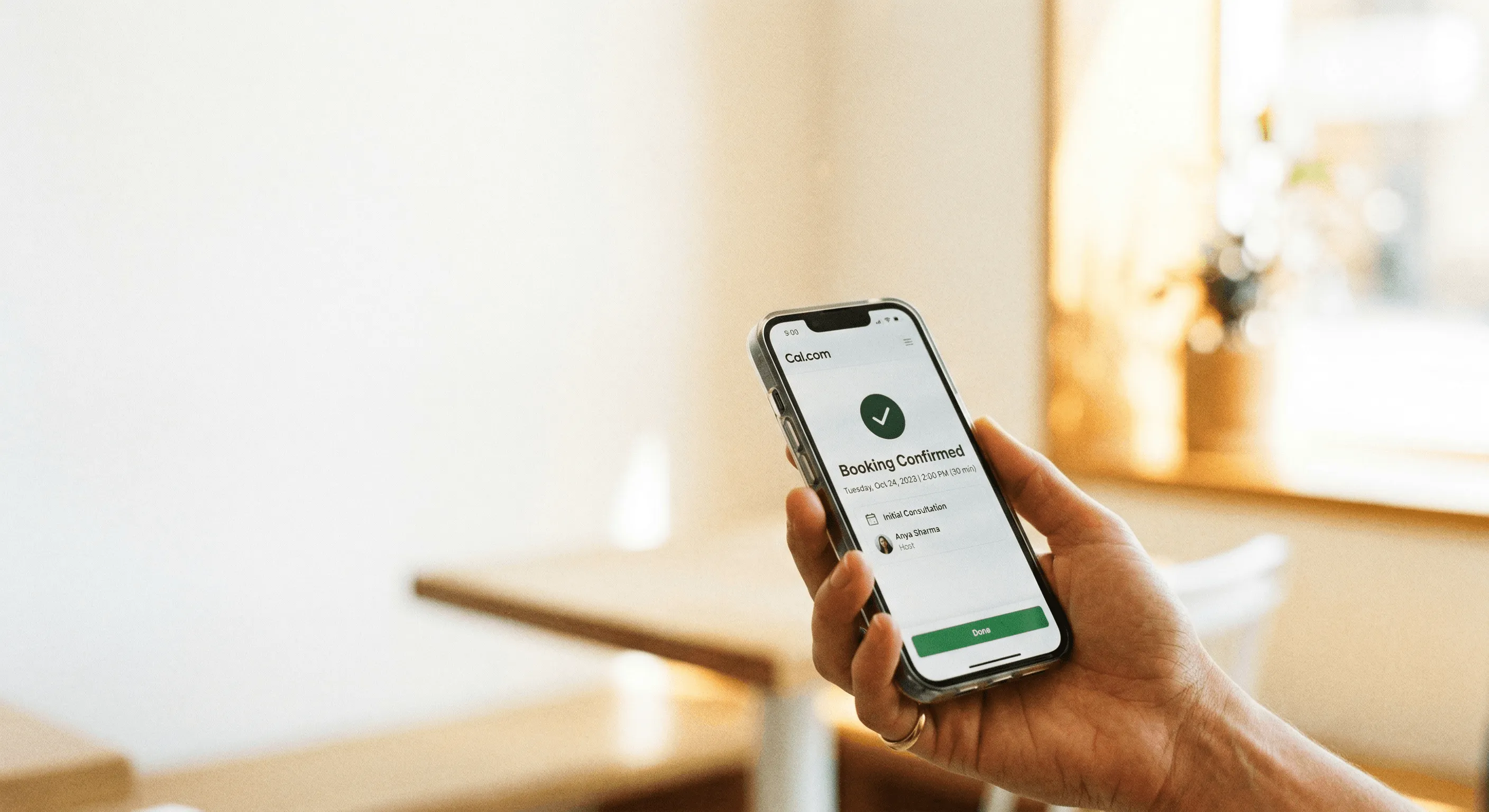
If students have to DM you back and forth to find a time, many of them will drop off. A booking link is one of the highest-value changes a freelance teacher can make.
Use a booking tool like Cal.com (free plan includes payment collection via Stripe) or Calendly (requires paid plan for payments, but widely trusted).
Why Cal.com is ideal for teachers starting out:
- Accepts payments on the free plan (Calendly charges for this feature).
- Integrates with Google Meet (free, no 40-minute limit like Zoom).
- Allows you to set up multiple “event types” (Roadmap Session, Single Lesson, 10-Lesson Package).
Your Instagram/LinkedIn bio should look like this:
❌ Bad: “English Teacher. DM for classes.”
✅ Good: “Helping Spanish nurses pass the OET. Book your €5 Roadmap Session: [cal.com/yourname/roadmap]”
This makes it possible for someone to go from discovering your content to having a confirmed session with you in under two minutes.

Extra tip: in Cal.com settings, set a “redirect URL” that sends students to a 1-minute welcome video after they book. Say: “Success! I’m looking forward to meeting you on [Date]. Please fill out this short questionnaire about your level, interests, and goals before our session.” This builds connection before you even meet.
How HearSay Fits Into This Picture
What you’re being asked to do as a freelance teacher isn’t easy. You’re expected to be:
- A curriculum designer.
- A performer.
- A content creator.
- A marketer.
- A small business owner.
HearSay doesn’t solve all of that. But it does try to make two parts easier:
- Creating and reusing personalized audio content. You design dialogues that are specific to your learners (by level, topic, culture, or goal). HearSay turns those dialogues into hands-free audio lessons your students can access via WhatsApp, QR code, or link.
- Turning that content into income. Students can always access the audio you create for free. When they subscribe for unlimited lessons and features, you share in the revenue.
Over the coming months, we’ll be featuring some of our teachers and their audio collections on our own channels so that more learners can find them, without those teachers having to become full-time influencers.
Where to Start This Week
If you’re a freelance language teacher trying to stand out without becoming a full-time content creator, here’s what to do:
- Define your niche (1 hour). Write down one specific type of student you can serve better than most teachers, and what urgent problem they have.
- Set up a booking page (1 hour). Create a free Cal.com account, add your “Roadmap Session” at €5, integrate Stripe for payments.
- Update your social bios (10 minutes). Add your niche and booking link to Instagram, LinkedIn, Facebook.
- Post one problem-aware reel this week (30 minutes). Call out one specific pain point your niche faces and offer one tiny solution.
You became a teacher because you care about people and language, not because you wanted to chase algorithms.
The goal isn’t to turn you into an influencer. The goal is to make it easier for the right students to find you, work with you, and keep learning with you, while you spend most of your time doing what you actually signed up for: teaching.