If you want to speak a new language without the dread of booking a live tutor, AI apps offer a convenient alternative. You do not have to worry about scheduling conflicts, awkward small talk, or high hourly rates. But as you compare the top options, you will quickly find two completely different philosophies. One app guides you through a structured, video-led curriculum, while the other drops you straight into open-ended debates and role-plays.
We compared Speak and TalkPal to see how these two methods work in practice. Whether you need structured drills with native video guides or cheap, unscripted chat practice, your choice depends on how much guidance you want before you start speaking.
Verdict: Choose Speak if you are a beginner who needs a structured, video-guided path and you are learning one of its eight supported languages. Choose TalkPal if you want cheap, unscripted conversation practice in any of its 134 supported languages and you already feel confident chatting freely.
| Feature | Speak | TalkPal |
|---|---|---|
| Speaking Practice Style | Scaffolded and task-driven conversations focused on specific tasks. | Free-form and conversational dialogues with multiple open-ended modes. |
| Listening Practice & Voices | Ultra-realistic low latency voice synthesis using GPT-4o Realtime API. | Standard high-quality text-to-speech voices with adjustable playback speed. |
| Grammar Explanations | Bilingual video lessons with native teachers and plain language tutor. | On-demand AI corrections suggested directly next to chat bubbles. |
| Speech Recognition | Phoneme-level analysis during drills but more forgiving in role-plays. | Word-level analysis using standard automatic speech recognition. |
| Pronunciation Feedback | Fluency and accuracy scoring with a virtual pronunciation coach. | Colour-coded word-level highlights without detailed mechanical explanations. |
| Scenario & Role-Play Variety | Curated day-to-day scenarios with integrated goals and 3D environments. | Over one hundred scenarios covering everyday tasks, debates, and characters. |
| Content Freshness | Slow additions due to highly produced video-first structure. | Instant procedural generation of roleplay situations and dynamic characters. |
| Language Variety | Limited to eight major languages with English as base. | Global reach supporting over one hundred and thirty languages. |
| Free Tier Genuinely Usable? | No permanent free tier available after seven-day trial. | Yes, basic plan offers ten minutes of daily practice. |
| Price-to-Value Ratio | High cost but premium quality structured video curricula. | Excellent budget value with unlimited conversation on annual plan. |
| Price | Premium Plan (Monthly): $17.99 to $20.00 month; Premium Plan (Annual): $83.99 to $99.00 year; Premium Plus Plan (Monthly): $39.99 month; Premium Plus Plan (Annual): $164.99 year | Basic Plan: Free daily; Premium Plan (Monthly): $9.99 to $11.99 month; Premium Plan (12 Months): ~$4.99 month; Lifetime Plan: ~$329.99 one-time |
_Prices checked 2026-08-28._
Where Speak wins
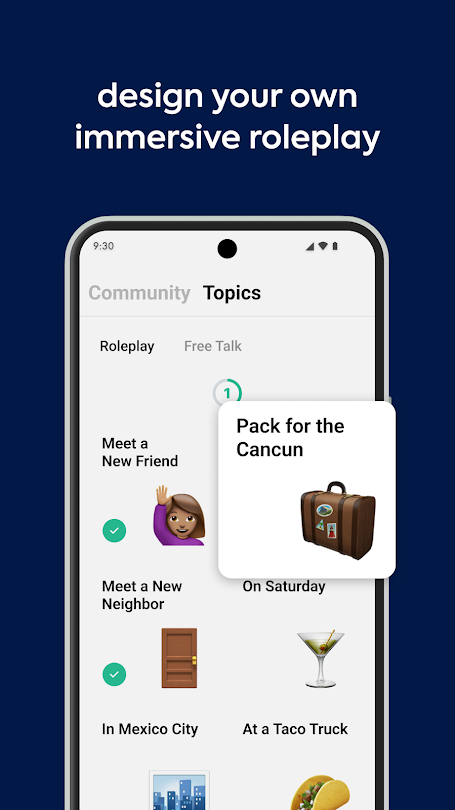
Speak works best if you want a structured, curriculum-driven path that tells you exactly what to study next. If you want to try this structured approach, you can sign up at Speak. It reduces beginner hesitation by guiding you through daily scenarios with clear goals. The lessons feature bilingual video guides with native teachers who explain grammar points in plain language, making complex rules easy to understand.
The technology is fast. Speak uses low-latency speech-to-speech technology powered by OpenAI's GPT-4o Realtime API, so conversations feel natural. During drills, the app analyses your speech at the phoneme level, giving you a pronunciation score based on your fluency and accuracy. This means the app can detect if you mispronounced a specific vowel sound in French or missed the double "r" in Spanish, rather than just telling you the whole word was wrong.
But this structured approach has a clear limit. Because creating video-first lessons takes time, Speak only supports eight major languages, including Spanish, French, and Japanese. If you want to learn a less common language, or if you prefer spontaneous conversations, Speak will feel too rigid.
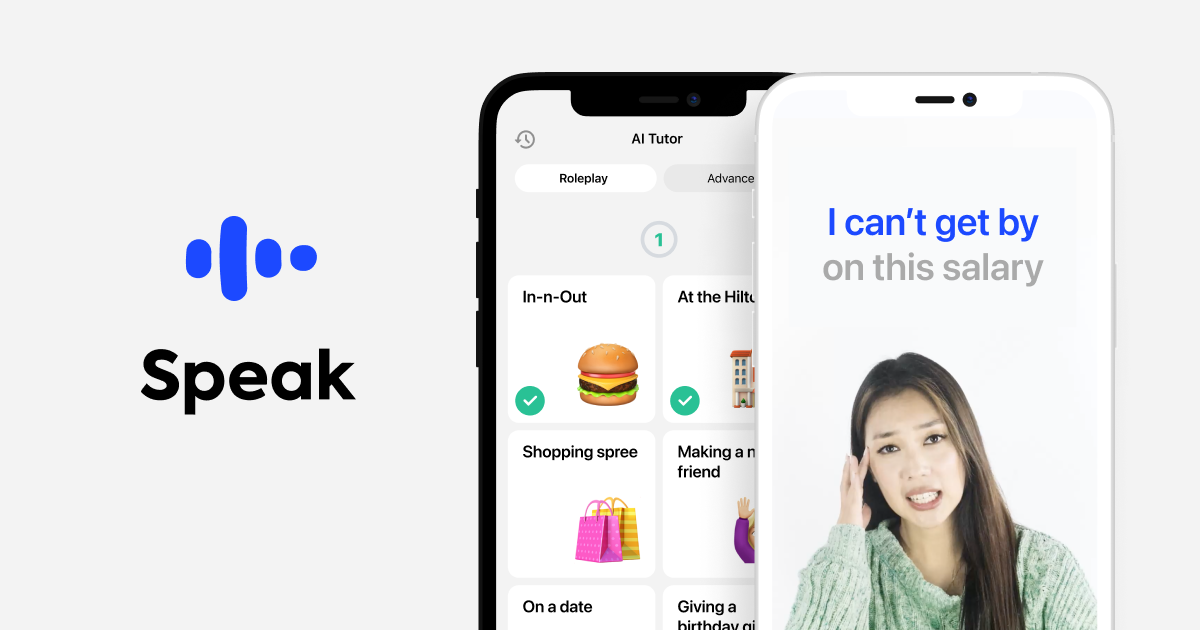 Image: app.speak.com.
Where TalkPal wins
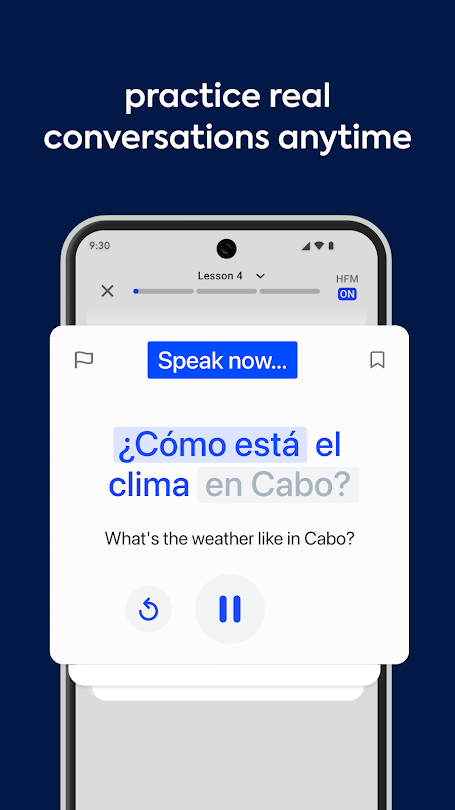
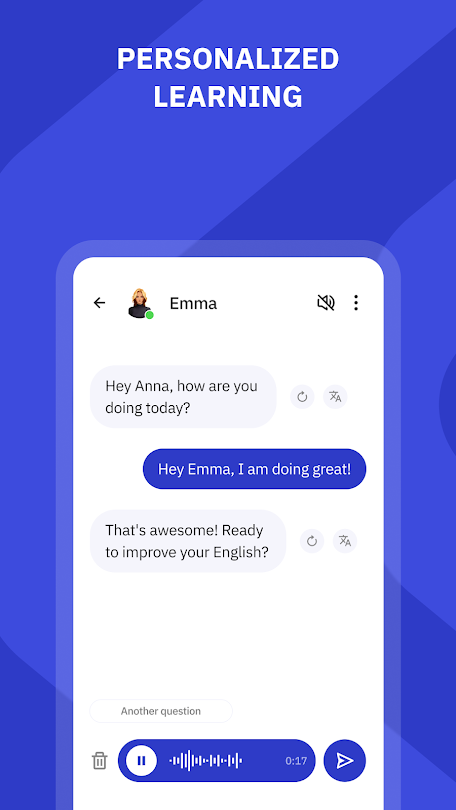
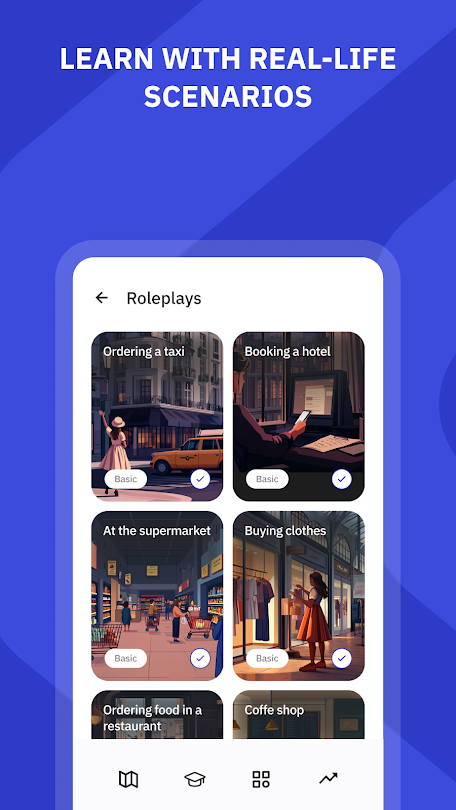
TalkPal is built for learners who want to maximise their speaking practice through spontaneous, unscripted conversations. You can explore their conversational modes at TalkPal. Instead of following a curriculum, you start open-ended dialogues, debates, and role-plays with custom characters. With over 100 scenarios generated instantly, you will not run out of topics to talk about.
The main advantage is the variety of languages. TalkPal supports over 134 languages, making it useful for polyglots or those studying regional languages. It uses procedural generation to create new role-play situations on the fly. You can debate an AI character about climate change, practice ordering food in a virtual cafe, or describe a random photo generated on your screen.
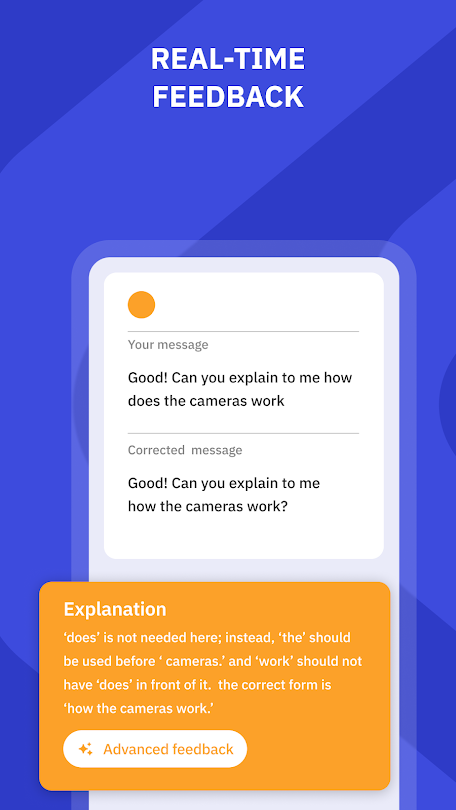
But this free-form approach has downsides. TalkPal lacks a structured bilingual curriculum, which makes it difficult for absolute beginners. Its pronunciation feedback is limited to basic, colour-coded word-level highlights without explaining how to improve. If you need structured grammar lessons or deep phonetic feedback, TalkPal is not the right tool.
How the teaching methods compare
The main difference lies in how these two platforms guide your learning. Speak builds your confidence through structured drills before asking you to speak freely. You watch a short video lesson, practise specific phrases, and then use those phrases in task-driven role-plays. This controlled environment helps you build correct habits from the very first day.
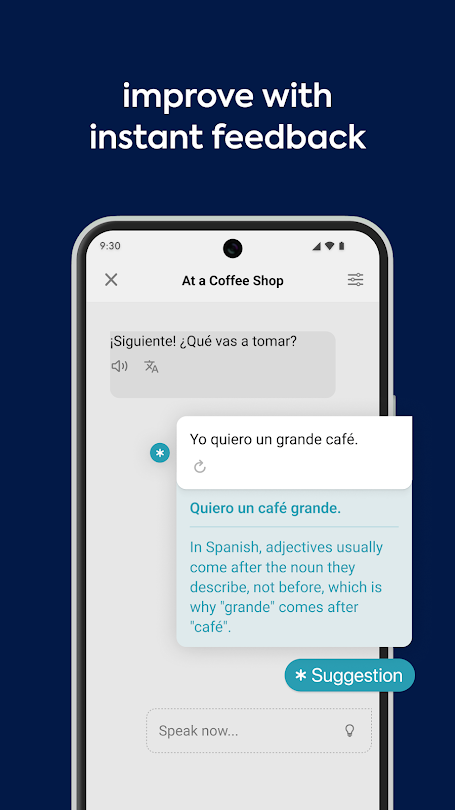
TalkPal uses a chat-first interface. You learn by doing, reacting to what the AI says in real time. Instead of video lectures, TalkPal provides AI corrections directly next to your chat bubbles. This works well for intermediate learners who want to test their limits, but it can feel overwhelming if you do not already know basic grammar rules.
Speak uses realistic voices that respond almost instantly, while TalkPal relies on standard text-to-speech voices where you can adjust the playback speed. If you want to train your ear for natural pacing, Speak offers a more realistic listening experience.
Price and value compared
Your budget will likely decide this for you. TalkPal is cheaper. It offers a free Basic Plan that gives you 10 minutes of daily practice. If you upgrade to their Premium Plan, it costs between $9.99 and $11.99 per month, or about $4.99 per month if you pay for a 12-month subscription. They also offer a Lifetime Plan for a one-time payment of about $329.99.
Speak costs more and has no permanent free tier. Its standard Premium Plan costs between $17.99 and $20.00 per month, or $83.99 to $99.00 if you pay annually. If you want their Premium Plus Plan, the price rises to $39.99 per month or $164.99 per year. If you are studying one of Speak's eight supported languages, the price matches the structured curriculum. But if you are learning a less common language or want unlimited, casual conversation practice on a budget, TalkPal is the more practical choice.
Which one should you pick?
Choose Speak if:
- You want video lessons with native teachers to guide your practice.
- You prefer a structured curriculum that tells you exactly what to study next.
- You are learning one of its eight supported languages, like Spanish, French, or Japanese.
- You want fast voice technology for natural-sounding drills.
Choose TalkPal if:
- You want to practise a less common language from a list of over 134 options.
- You prefer unscripted conversations, debates, and custom characters.
- You are on a budget and want a free plan that gives you 10 minutes of daily practice.
- You already know the basics and need to build speaking volume.
FAQ
Does Speak or TalkPal support more languages?
TalkPal supports more languages. It offers over 134 options, making it suitable for less common regional languages. Speak supports only eight major languages: English, Spanish, French, Chinese, Japanese, Korean, Italian, and German.
Is there a free version of Speak or TalkPal?
TalkPal has a free tier. Its Basic Plan offers 10 minutes of daily practice at no cost. Speak does not have a permanent free tier, though it does offer a seven-day trial period before you pay for a subscription.
How does the pricing of Speak compare to TalkPal?
TalkPal costs less. Its monthly premium plan is $9.99 to $11.99, and its annual plan is about $4.99 a month. Speak's monthly plans start at $17.99 to $20.00, and its Premium Plus annual plan costs $164.99.
Which app has better voice recognition and accuracy?
Speak offers more detailed speech recognition. It uses phoneme-level analysis during drills to give you feedback on your pronunciation, though it is more forgiving during role-plays. TalkPal uses standard word-level speech recognition and marks errors with colour-coded highlights on the screen.
Both apps offer distinct ways to practise, whether you prefer Speak's structured video path or TalkPal's open-ended chat. If you want a different approach that fits speaking practice into your daily routine without any screen time, try HearSay for audio-first lessons directly inside WhatsApp.