Choosing between Duolingo and Babbel is a major decision when you are trying to speak a new language. Most people start with the green owl because it is free and gamified. But if you want to order food, chat with locals, or hold a conversation, you might find yourself tapping screens instead of talking. The two apps take different paths. One relies on translation drills and cartoon characters, while the other uses structured lessons and real-world dialogue. To get the most out of your study time, you need to know which approach actually gets you talking.
Verdict: Babbel is the better choice if you want to speak in the real world. It teaches practical vocabulary and grammar with native-speaker audio. Duolingo works for building a daily habit at zero cost, but its translation drills will not help you hold a spontaneous conversation.
| Feature | Duolingo | Babbel |
|---|---|---|
| Speaking Practice | Reading aloud scripted text and spontaneous AI-character conversations. | Interactive speaking exercises, AI roleplay, and live group classes. |
| Listening & Accents | Synthesised text-to-speech voices mapped to cartoon characters. | High-quality native-speaker audio recordings with regional accents. |
| Grammar Depth | Implicit learning through pattern recognition and repetition. | Explicit grammar instruction with dedicated guides and sidebars. |
| Feedback Quality | Strict binary accuracy system with generative AI explanations. | Interactive spelling checks with textbook-style linguistic feedback. |
| Offline Use | Only available to paid Super and Max subscribers. | All plans allow downloading courses for offline use. |
| Price Value | Best for zero-cost entry but expensive AI upgrades. | High value especially with the lifetime plan promotion. |
| Levels Covered | Long pathways but translation focus limits progress. | Targets CEFR standards up to B2 or C1. |
| Price | Duolingo Free: $0 month; Super Duolingo: $12.99–$13.99 month; Duolingo Max: $29.99 month | Babbel Self-Study (1-Month): $13.95 to $17.95 month; Babbel Self-Study (12-Month): $107.70 year; Babbel Lifetime: $299.99 lifetime |
_Prices checked 2026-09-25._
Where Duolingo wins
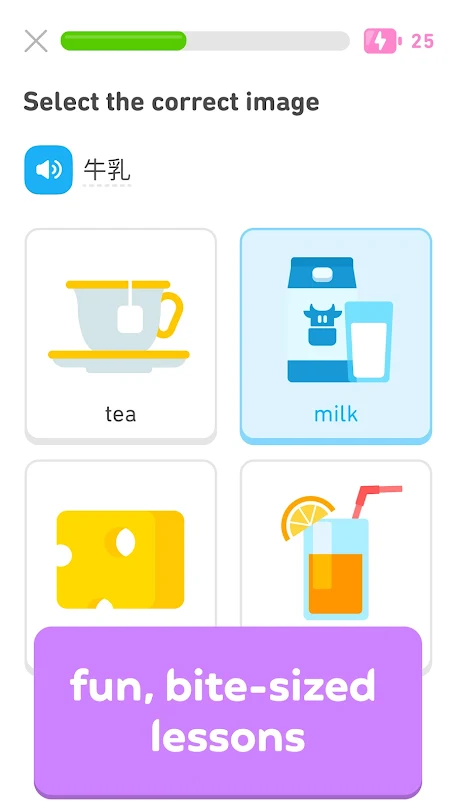
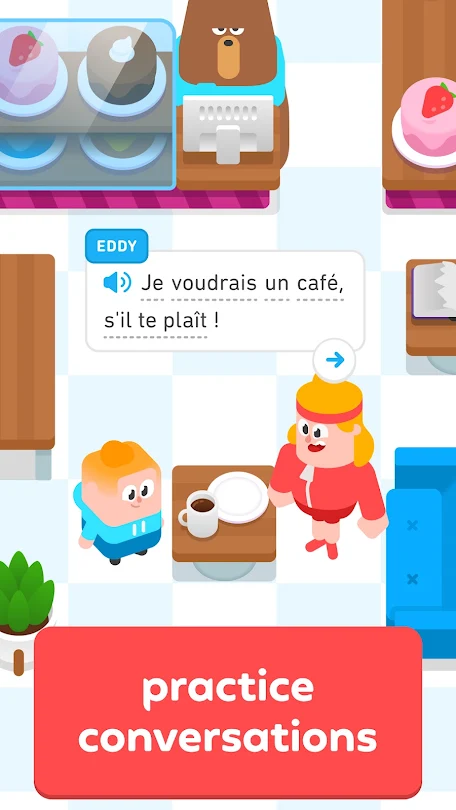
Duolingo is good at keeping you coming back. Its habit-building mechanics encourage daily practice, making it easy to build a routine. For those interested in a minority or fictional language, the platform offers over 40 options. The main draw is the free tier, which gives you access to the full curriculum of all these languages. You can find more details on the Duolingo website.
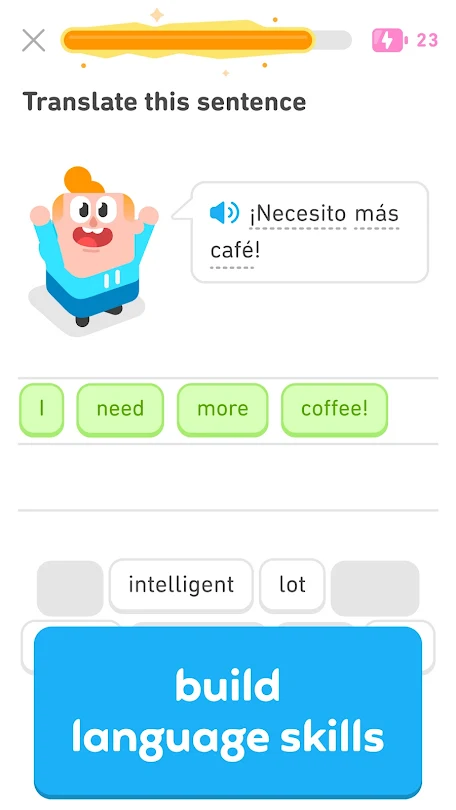
But this approach has limits. The translation exercises focus on reading aloud scripted text and translating sentences, which builds recognition rather than recall. Using the free tier means heart limits penalise mistakes and can halt your momentum. The platform also uses synthesised text-to-speech voices mapped to cartoon characters. While this keeps lessons light, it does not prepare you for real conversations.
 Image: duolingo.com.
Where Babbel wins
Babbel is built for learners who want to understand how a language works. It wins on practical vocabulary for real-world conversations, backed by explicit grammar instruction with dedicated guides. Instead of guessing rules through repetition, you get clear explanations that help you build your own sentences. You can view their courses on Babbel.
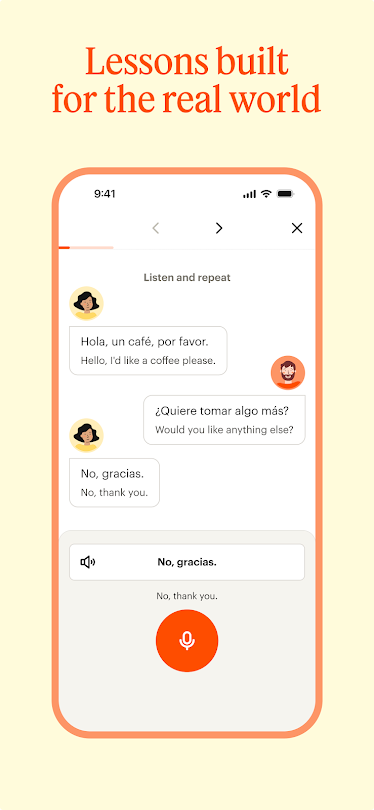
The audio quality is another advantage. Babbel uses native-speaker audio recordings with regional accents, helping you train your ear for real life. Also, all plans allow you to download courses for offline use, which works well for studying on flights or commutes.
The trade-off is that Babbel can feel traditional and dry. It lacks the game-like elements that keep some learners motivated, and there is no free option for long-term study. You also have a smaller selection of 14 languages to choose from.
How they teach
The two platforms approach teaching from opposite directions. Duolingo relies on implicit learning through pattern recognition and repetition. You spend your time translating sentences and reading aloud scripted text. For speaking, it offers AI-character conversations on its higher tiers, but the core experience remains focused on translation.
Babbel uses interactive speaking exercises, AI roleplay, and live group classes to get you talking. Its feedback system uses spelling checks with textbook-style linguistic feedback, whereas Duolingo uses a strict binary accuracy system with generative AI explanations.
For those who prefer structured progression, Babbel targets CEFR standards up to B2 or C1. Duolingo offers long pathways, but its heavy translation focus limits how far you can progress in active speaking.
Price and value compared
Your choice will likely come down to your budget and how much you value offline access. Duolingo is the obvious choice for zero-cost entry with its free plan. Removing ads and heart limits with Super Duolingo costs $12.99 to $13.99 per month. To get generative AI features, Duolingo Max jumps to $29.99 per month, which is a high price.
Babbel does not offer a free tier, but its pricing structure offers good long-term value. A monthly self-study subscription costs $13.95 to $17.95. Committing for a year brings the cost of the 12-month plan to $107.70. For serious learners, the Babbel Lifetime plan costs $299.99 and gives you access to all 14 languages forever.
For a quick, free way to test a language, Duolingo is the obvious starting point. But if you want structured learning with native audio and offline downloads, Babbel offers better value.
Which one should you pick?
Choose Duolingo if:
- You want to study a minority or fictional language from over 40 options.
- You need a free tier that gives you access to the full curriculum.
- You want gamified mechanics that help you build a daily learning habit.
Choose Babbel if:
- You want to focus on practical vocabulary that you can use in real-world conversations.
- You prefer explicit grammar explanations and structured guides over pattern guessing.
- You want to listen to native-speaker audio recordings with regional accents.
- You want to download your lessons to study offline on any plan.
When Duolingo wins. Duolingo is the better choice if you have a budget of zero and want to learn a minority or fictional language, as its entire curriculum is free.
FAQ
Is Duolingo or Babbel better for speaking?
Babbel is better for speaking because it focuses on practical vocabulary, real-world conversations, and native-speaker audio. Duolingo relies on translation drills, which build recognition rather than recall. Even with its paid tiers, Duolingo's focus remains on reading and writing rather than spontaneous speech.
Can Duolingo or Babbel get you to fluency?
Neither app will make you fluent on its own, but Babbel gets you closer. Babbel structures its courses around CEFR standards up to B2 or C1 levels and teaches real-world grammar. Duolingo's translation-heavy pathways and lack of explicit grammar instruction make it difficult to reach conversational fluency.
Is Babbel worth paying for over Duolingo?
Yes, for anyone focused on speaking. While Duolingo has a free tier, its heart limits penalise mistakes and halt your momentum. Babbel requires a paid subscription, starting at $13.95 to $17.95 monthly, but it offers structured grammar, native audio, and a lifetime option that provides better value for serious learners.
To skip the translation drills and start speaking from day one, try HearSay for audio-first, hands-free practice that fits into your daily routine.