Most language apps promise to get you talking, but they use completely opposite methods. If you are weighing up Pimsleur vs Rosetta Stone, you are choosing between two of the oldest philosophies in language learning. One forces you to close your eyes and listen. The other makes you look at pictures and match them to words.
Both methods claim they can make you fluent, but they target different learning styles. If you want to speak in real-world situations, choosing the wrong one leads to immediate frustration. Here is how they actually work, so you can spend your time and money on the right tool.
Verdict: Choose Pimsleur if your main goal is speaking and listening. Its audio-only lessons force you to think and speak in full sentences. Choose Rosetta Stone if you are a visual learner who wants to build basic vocabulary through images, but expect repetitive drills that fail to prepare you for real conversations.
| Feature | Pimsleur | Rosetta Stone |
|---|---|---|
| Core Medium | Audio-first lessons mimicking organic auditory conversations with minimal screen interaction. | Screen-first visual immersion matching images to text and voice recordings. |
| Speaking for Beginners | High active production requiring users to formulate and speak whole sentences. | Low to moderate repetition of words and phrases into a microphone. |
| Listening Comprehension | Strong development of natural auditory skills, context parsing, and pacing. | Moderate development relying on slow, carefully enunciated audio prompts. |
| Grammar Depth | Implicit structures integrated into conversation with no formal grammar instruction. | Deductive patterns learned through context, supported by live tutoring. |
| Use of Translation | Scaffolded native-language guidance to clarify meaning and set up conversations. | Zero translations or native-language notes allowed in strict immersion. |
| Speech Feedback | Voice Coach evaluates pronunciation on select premium activities using speech recognition. | TruAccent voice analyser compares user accent waves directly with native datasets. |
| Offline Capabilities | Excellent hands-free lessons can be fully downloaded and used on the go. | Good lesson downloads via the app, but screen interaction remains mandatory. |
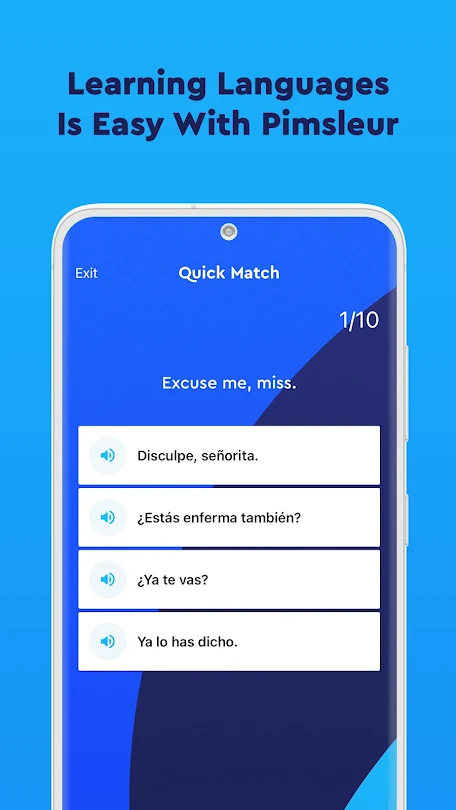
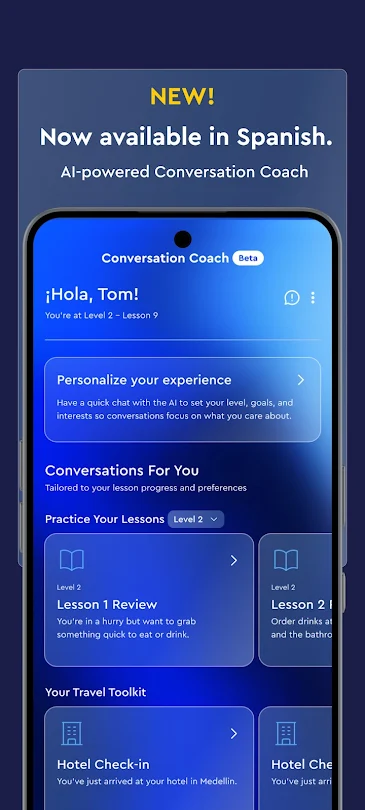
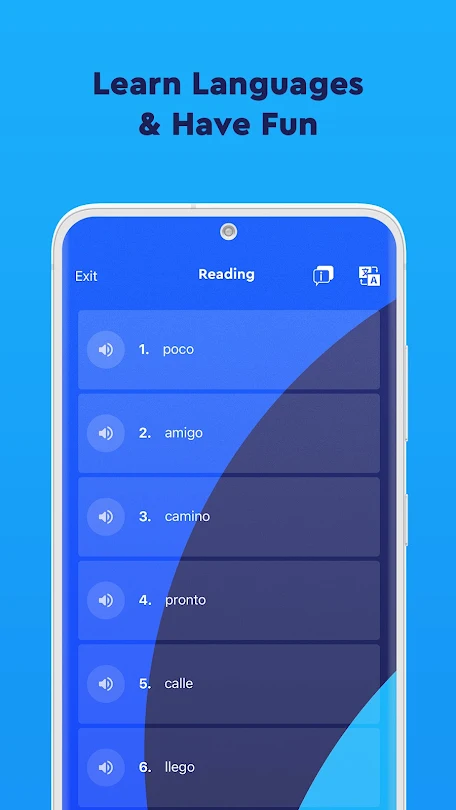
| Supplementary Features | Quick Match, Speed Round, Flashcards, and Speakeasy roleplaying. | On-demand videos, phrasebooks, stories, Chat Missions, and custom material generators. |
| Pricing Value | Pragmatic monthly options covering over 50 languages with family sharing. | High value lifetime flat fee providing permanent access to all languages. |
| Culture Context | Integrated cultural context using native actors in relevant scenarios. | Generic stock photos and structured exercises across all 25 languages. |
| Price | Pimsleur All Access: USD $20.95 month; Pimsleur Premium: USD $19.95 month; Pimsleur Audio-Only: USD $14.95 month; Annual Subscription: USD $164.99 year; Lifetime Purchase (Single Level): USD $150 level; Lifetime Purchase (All Levels): USD $798 lifetime | Monthly Subscription: USD $19.99 month; Yearly Subscription: USD $159 year; Lifetime Subscription: USD $199 lifetime |
_Prices checked 2026-08-10._
Where Pimsleur wins
Pimsleur builds conversational flow and accurate pronunciation without forcing you to stare at a screen. By using an audio-first method focused on active recall, it trains your brain to retrieve words quickly. You listen to native speakers in realistic scenarios, and the programme prompts you to build and speak whole sentences.
This approach develops strong listening skills. Unlike strict immersion programmes, Pimsleur uses English explanations to clarify meaning and explain cultural nuances. This means you always know exactly what you are saying and why you are saying it, rather than guessing.
However, this audio focus has clear trade-offs. If you want to learn reading and writing, the materials are highly limited. It also lacks explicit grammar instruction, meaning you must pick up structural rules naturally through conversation.
With 51 languages for English speakers, the library is vast. It suits learners who want to speak and understand spoken language quickly, even if they cannot write a paragraph in their new language. You can explore their courses directly on the Pimsleur website.
Where Rosetta Stone wins
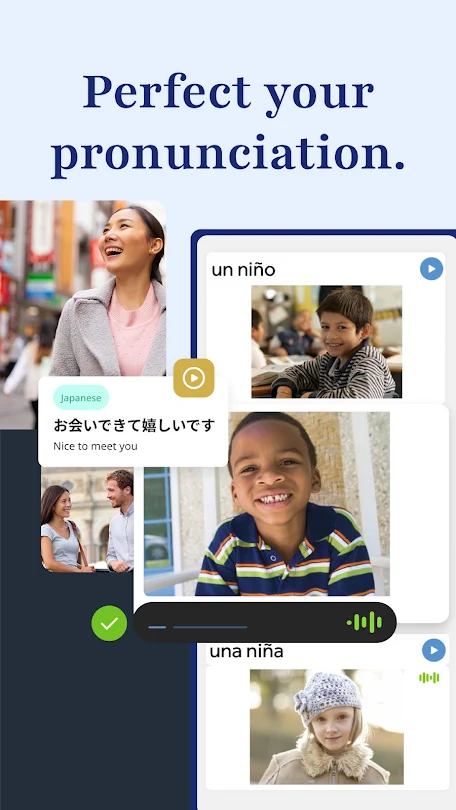
Rosetta Stone works best for visual immersion and vocabulary building. By pairing images directly with words and recordings, it helps you build direct mental connections without translating back to English. This visual approach is highly effective for memorising nouns, verbs, and everyday phrases.
The platform also has TruAccent speech recognition. This voice analyser compares your pronunciation directly with native recordings, giving you immediate feedback. It provides a structured environment to refine your accent before you try speaking with real people.
The downside is that the repetitive image-matching drills quickly feel tedious. Because the system completely avoids English explanations, figuring out grammar rules becomes a frustrating guessing game. These structured exercises do not prepare you to hold independent, spontaneous conversations.
To see how their visual system works, visit the Rosetta Stone website.


How the teaching methods compare
The core difference lies in how these two platforms treat translation. Pimsleur relies on your ears, using audio-first lessons that mimic organic conversations. It uses English to explain cultural context and grammar rules so you can focus on speaking whole sentences.
Rosetta Stone relies on your eyes, using screen-first visual immersion. It bans translation entirely, forcing you to deduce grammar patterns from context clues and pictures. While this keeps you in the target language, it slows down your understanding of complex sentence structures.
Pimsleur requires active production, demanding that you constantly speak aloud and recall vocabulary. Rosetta Stone focuses more on passive recognition, where you match pictures to audio prompts or repeat short phrases into a microphone.
Price and value compared
The pricing structures of these two services target very different budgets. Rosetta Stone offers a monthly subscription for USD $19.99 and a yearly subscription for USD $159. Its best option is the lifetime subscription, which costs USD $199 and grants permanent access to all 25 languages. This flat fee represents great value if you plan to study multiple languages over several years. Pimsleur is an expensive investment. Its monthly plans include Pimsleur Audio-Only for USD $14.95, Pimsleur Premium for USD $19.95, and Pimsleur All Access for USD $20.95. If you prefer annual billing, it costs USD $164.99 per year. For lifetime ownership, Pimsleur charges USD $150 for a single level, or a steep USD $798 for all levels. If you want a budget-friendly tool to build vocabulary across multiple languages, Rosetta Stone is the clear financial winner. If you are willing to pay a premium for active speaking practice, Pimsleur justifies its higher monthly cost.
Which one should you pick?
Choose Pimsleur if:
- You want to focus on speaking and listening without staring at a screen.
- Your goal is to build conversational flow and accurate pronunciation.
- You prefer having English explanations to clarify grammar and meaning.
- You need to practise hands-free while walking, driving, or doing chores.
Choose Rosetta Stone if:
- You learn best by matching images directly to new words.
- A lifetime subscription giving you access to all 25 languages appeals to you.
- You want to compare your accent directly with native speaker recordings.
- Your preference is learning through strict visual immersion without English translations.
Rosetta Stone is the better choice if you are a visual learner who wants to build a large vocabulary from scratch and you prefer a cheap lifetime subscription over monthly fees.
FAQ
Which is better, Pimsleur or Rosetta Stone?
Pimsleur is better if you want to speak and understand spoken language quickly. It uses audio lessons that force you to say full sentences. Rosetta Stone is better if you want to learn vocabulary visually. It uses pictures to teach words without using English translations.
What is the difference between Pimsleur and Rosetta Stone?
Pimsleur is an audio-first programme that uses English to guide you through conversations. Rosetta Stone is a screen-first visual programme. It uses zero translations, meaning you must figure out grammar and vocabulary by matching pictures to words and recordings.
What is better for Spanish, Rosetta Stone or Pimsleur?
Pimsleur is better for Spanish speaking because it teaches you to build real sentences and use natural pronunciation. Rosetta Stone Spanish will help you memorise vocabulary words using images, but its repetitive matching drills do not prepare you to hold a real conversation.
Does Pimsleur actually work?
Yes, Pimsleur works well for building speaking confidence and listening skills. By using active recall, it trains your brain to retrieve words quickly during a conversation. However, it places very little emphasis on reading and writing.
How does Rosetta Stone vs Pimsleur pricing compare?
Rosetta Stone offers a monthly plan for USD $19.99, a yearly plan for USD $159, and a lifetime plan for USD $199. Pimsleur offers monthly plans from USD $14.95 to $20.95, an annual plan for USD $164.99, and a lifetime plan for USD $798.
Choosing between audio-only and visual matching comes down to how you prefer to learn. If you want a speaking-first approach that fits into your daily routine, try HearSay.