
If you want to learn a language on your daily drive or while walking the dog, you have probably realised that looking at a screen does not work. You need something you can listen to without constantly tapping your phone. This usually leads to a choice between Pimsleur and Paul Noble. Both methods promise to get you speaking without making you memorise long vocabulary lists or study grammar books. But while both focus on your ears rather than your eyes, they take very different paths to get you talking. One relies on strict, timed drills that force you to think fast, while the other uses simple logic to help you build sentences at a relaxed pace. Choosing the wrong one can make your morning commute feel like a stressful exam or a slow, repetitive chore.
Verdict: Choose Paul Noble if you want a relaxed, low-stress introduction to a major European language or Mandarin at a low one-time price. Choose Pimsleur if you need deep, multi-level training in a rarer language and do not mind strict, fast-paced drills to build quick recall.
| Feature | Pimsleur | Paul Noble |
|---|---|---|
| Teaching Methodology | Strict, structured drills requiring the user to recall phrases quickly on demand. | Relaxed sentence construction with patterns explained in English. |
| Grammar Explanations | Implicit grammar absorption from context without explicit teaching. | Explicit and intuitive grammar principles using linguistic bridges and simple logic. |
| Vocabulary Retention | Scientifically timed spaced repetition using Graduated Interval Recall. | Natural reinforcement through forgetting and remembering without rote drills. |
| Active Speaking Required | Fast-paced timed prompts with AI Voice Coach checking pronunciation. | Frequent speaking prompts with self-correction against a native speaker. |
| Pacing | Rigid and demanding fixed rhythm that can feel fast or tedious. | Gentle and relaxed zero-stress layout designed so you cannot fail. |
| Levels & Depth Covered | Up to 5 full levels taking you to intermediate proficiency. | Introductory beginner and intermediate courses guiding to low-intermediate level. |
| Platform Experience | Dynamic mobile app and web interface with integrated flashcards and quizzes. | Pure audio files relying on third-party audiobook apps and companion PDF. |
| Language Catalog | Broad catalog of 51 distinct languages including rarer options. | Narrow catalog covering only 7 major European and Asian languages. |
| Price | Premium Monthly Subscription: $19.95 month; All Access Monthly Subscription: $20.95 month; All Access Annual Subscription: $164.95 year; Lifetime Purchase: $479 lifetime | Complete Course Audiobook: $31.99 one-time; Essential Course Audiobook: $14.00–$14.99 one-time; Complete Physical CD-Audio Set: £59.99 one-time |
_Prices checked 2026-09-16._
Where Pimsleur wins
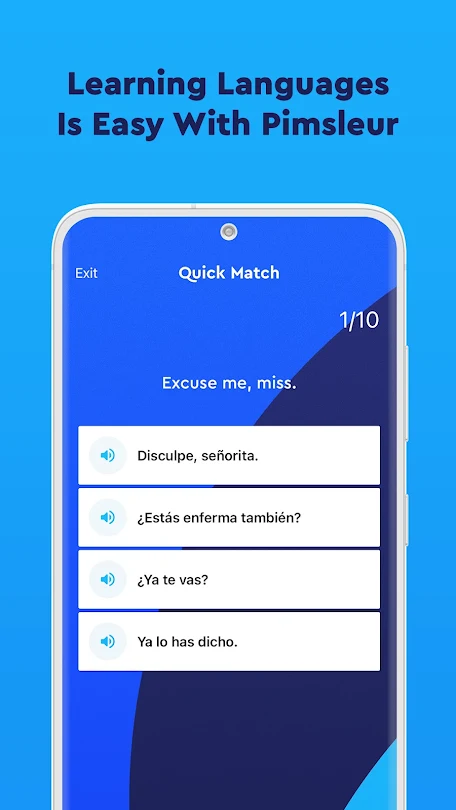
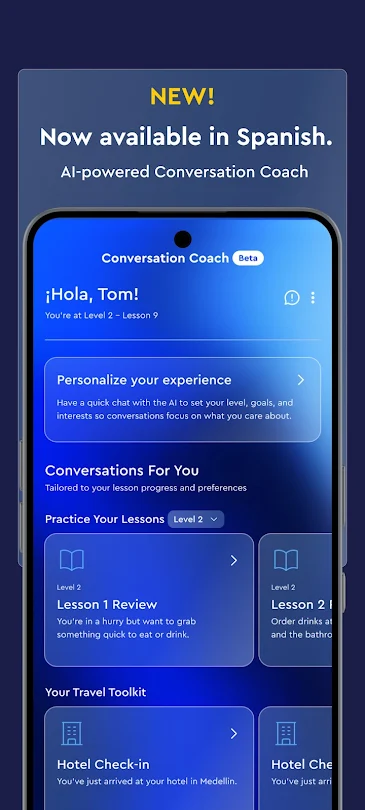
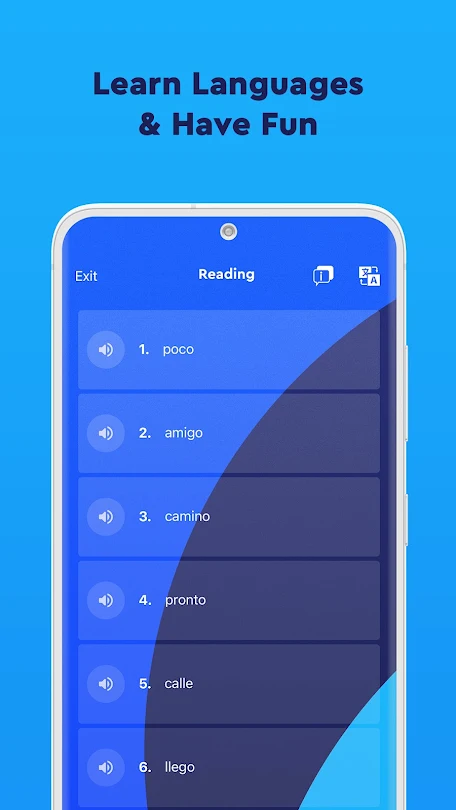
Pimsleur (https://www.pimsleur.com/) offers 51 languages for English speakers, which is far more than its competitor. If you want to learn a language outside the major European or Asian tongues, Pimsleur is your only real option here. It also provides up to five full levels for major languages, taking you much further into intermediate territory. The structured pacing forces you to speak quickly, which works well for hands-free commutes. You can use it on iOS, Android, web, or Amazon Alexa without needing to touch your screen. However, the strict, rhythmic repetition can feel robotic over long sessions, and you build vocabulary slowly compared to the time you invest.
Where Paul Noble wins
Paul Noble (https://www.paulnoblemethod.com/) explains how grammar works by drawing direct comparisons to English. Instead of forcing you to guess rules from context, the course uses simple logic to make sentence construction feel natural. The pacing is relaxed and low-stress, designed so you cannot fail. You learn through natural reinforcement by forgetting and remembering, rather than through rigid, timed drills. The main drawback is the limited selection, which covers only seven major languages plus English. It also lacks advanced levels, guiding you only to a high-beginner or low-intermediate stage, meaning you will need to find another resource once you finish.
How the teaching methods compare
The main difference is how each method handles grammar and active speaking. Pimsleur relies on strict, structured drills that require you to recall phrases quickly on demand. It uses a timed spaced repetition system called Graduated Interval Recall to lock vocabulary into your memory. You absorb grammar from context without explicit teaching, which can frustrate some learners. Paul Noble takes the opposite approach by giving you clear grammar rules. You build sentences in a relaxed, step-by-step manner, checking your pronunciation against a native speaker. While Pimsleur uses an interactive mobile app with an AI Voice Coach to check your pronunciation, Paul Noble relies on pure audio files with no interactive features or progress tracking. This means you have to manage your own progress manually. You must listen to Paul Noble via the Audible app, Apple Books, Google Play Books, Chirp, or CD players.
Price and value compared
The cost of these two systems is entirely different. Pimsleur uses a subscription model, offering a Premium Monthly Subscription for $19.95, an All Access Monthly Subscription for $20.95, or an All Access Annual Subscription for $164.95. They also offer a Lifetime Purchase for $479. This recurring cost adds up quickly if you study over several months. Paul Noble is a single, one-time purchase. You can buy the Complete Course Audiobook for $31.99, the Essential Course Audiobook for $14.00 to $14.99, or the Complete Physical CD-Audio Set for £59.99. If you prefer owning your materials forever without a monthly fee, Paul Noble is much cheaper, provided you want to learn one of its seven supported languages. This makes Paul Noble a much better option for budget-conscious learners who want to take their time.
Which one should you pick?
Choose Pimsleur if:
- You want to learn one of over 50 languages, including rarer options.
- You prefer a fast-paced drill system that forces quick recall.
- You want to progress past beginner levels up to intermediate proficiency.
- You want an app experience with digital flashcards and quizzes.
Choose Paul Noble if:
- You are learning one of the seven major languages offered, like French or Spanish.
- You want clear explanations of how grammar works in English.
- You prefer a relaxed environment where you cannot fail.
- You want to pay a single, low one-time fee for an audiobook instead of a subscription.
Paul Noble is the better choice if you are a complete beginner who gets anxious about being put on the spot. His gentle explanations make grammar feel like a logical puzzle rather than a test. This approach removes the pressure of performance.
FAQ
What is the difference between Pimsleur and Paul Noble?
Pimsleur uses strict, timed recall drills and implicit grammar learning across 51 languages. Paul Noble offers a relaxed method with explicit grammar explanations for seven major languages, sold as one-time audiobooks.
Does Paul Noble use spaced repetition?
Paul Noble does not use a formal spaced repetition system like Pimsleur. Instead, it relies on natural reinforcement, where you naturally forget and remember words through relaxed sentence building.
Can you use Pimsleur and Paul Noble together?
Yes. Many learners start with Paul Noble to understand the basic grammar rules easily, then switch to Pimsleur for structured drills and deeper vocabulary practice.
Is Paul Noble better than Pimsleur?
Paul Noble is better if you want a cheap, stress-free introduction to grammar. Pimsleur is better if you want to reach a higher intermediate level or are learning a less common language. Pimsleur also offers far more languages.
Both methods let you learn without staring at a screen, but they still rely on pre-recorded audio. If you want an audio-first approach that lets you actually speak and role-play live conversations on your commute, try HearSay instead.