Learning a new language usually comes down to a choice between two methods. You can learn by listening and speaking, or you can learn by reading and typing on a screen. This is the main divide between Pimsleur and Babbel. One forces you to speak from your very first minute, while the other builds your skills through structured grammar and visual exercises. Both apps promise to get you talking to locals, but they take opposite paths. To find the right fit, you need to decide how you prefer to study and whether you want to stare at a screen.
Verdict: Choose Pimsleur if you want to speak with a natural accent and do not mind thirty-minute audio lessons with no reading or writing. Choose Babbel if you want short, visual lessons that explain grammar rules clearly and help you practise reading and spelling.
| Feature | Pimsleur | Babbel |
|---|---|---|
| Core Method | Audio-first immersion focusing on auditory recall and phonetic listening. | Visual, text, and screen-based lessons emphasizing reading, typing, and image association. |
| Speaking Practice | High intensity speaking out loud repeatedly during thirty-minute intervals. | Moderate practice supported by typing, matching, and the AI trainer. |
| Pronunciation Quality | Superior mimicry of intonation and rhythm without visual spelling bias. | Good speech recognition, though reading spelled words first can skew accents. |
| Grammar Depth | Implicit learning where rules are absorbed inductively through natural context. | Explicit instruction with dedicated grammar boxes and conjugation charts. |
| Reading and Writing | Very weak, limited to minor phonetic guides with writing completely omitted. | Strong, requiring typing phrases, spelling blanks, and reading dialogues. |
| Offline Capability | Excellent, allowing full audio lesson downloads for offline hands-free use. | Good, but speech recognition features require active internet connectivity. |
| Lesson Flexibility | Rigid, requiring a thirty-minute audio block and quiet space to speak. | Highly flexible, with short lessons that can be paused or muted. |
| Price Value | High for multi-linguists, unlocking all fifty-one languages via All-Access. | High for single-language learners with cheap long-term and lifetime plans. |
| Language Selection | Massive selection of fifty-one languages, great for obscure or regional dialects. | Targeted selection of fourteen languages focused on major global options. |
| Levels Covered | Varies from five levels for popular courses to one for niche. | CEFR aligned, taking learners from A1 up to B2 or C1. |
| Price | Premium Monthly: $19.95 month; All Access Monthly: $20.95 month; Premium Annual: $149.95 year; All Access Annual: $164.95 year; Lifetime Subscription: $479 one-time | 1-Month Plan: $17.95 month; 3-Month Plan: $45.75 3 months; 6-Month Plan: $80.70 6 months; 12-Month Plan: $107.40 year; Lifetime Plan: $299.99 one-time |
_Prices checked 2026-09-21._
Where Pimsleur wins
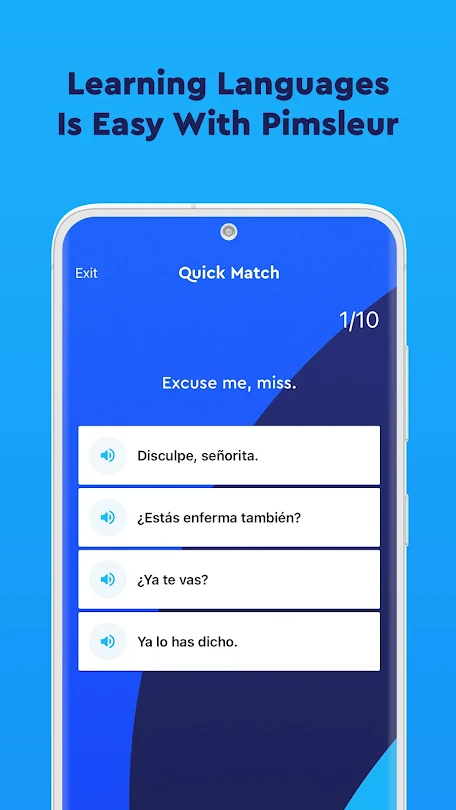
Pimsleur gets you speaking immediately. By focusing entirely on audio, the method forces you to listen and speak out loud in thirty-minute blocks. This helps you develop natural rhythm and pronunciation by mimicking native speakers. You can explore their courses at https://www.pimsleur.com/.
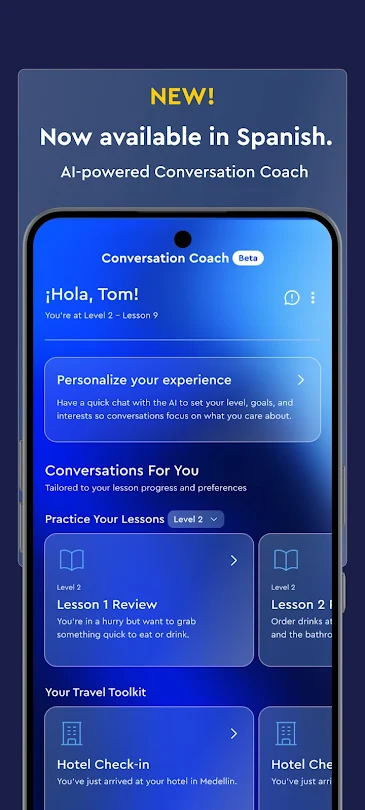
Because you learn by ear, you avoid the spelling bias that often ruins accents when you read words before hearing them. You can also use it almost anywhere. With a dedicated driving mode and compatibility with Apple CarPlay, Android Auto, and Amazon Alexa, you can easily study while commuting or walking. However, these rigid thirty-minute sessions require a quiet space where you can speak out loud. The predictable audio repetition can feel dry over time, and the Voice Coach speech recognition is often too forgiving on pronunciation mistakes.
Where Babbel wins
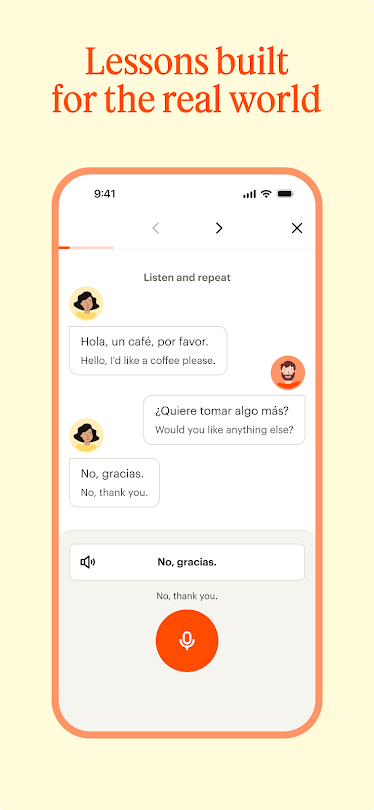
Babbel is better if you want a balanced approach that covers reading, writing, listening, speaking, and grammar. Instead of relying on pure audio, Babbel uses visual, screen-based lessons where you type phrases, fill in spelling blanks, and read dialogues. It explains grammar rules and sentence structures clearly with dedicated boxes and conjugation charts, making it much easier to understand how the language works.
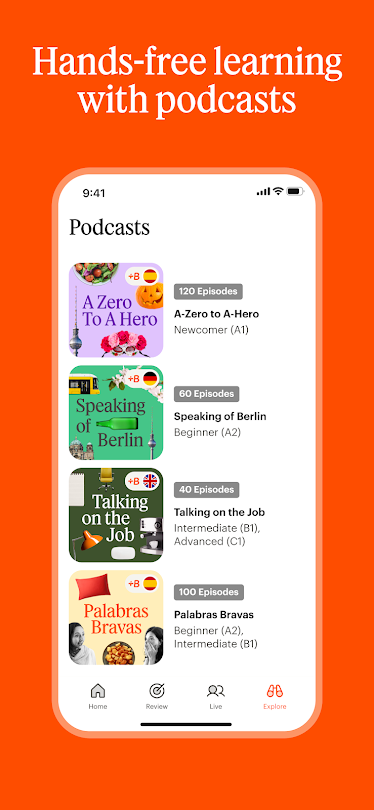
The lessons are flexible, lasting only ten to fifteen minutes, so they fit easily into a busy schedule. You can pause or mute them when you are on the go. Babbel Speak AI also provides a low-pressure way to practise dialogues. However, these AI conversations are heavily guided and do not allow for spontaneous practice. You might also find that the content depth thins out at intermediate stages, leaving you stuck on a plateau. You can check their curriculum at https://my.babbel.com/en_GB/prices.
How the teaching methods compare
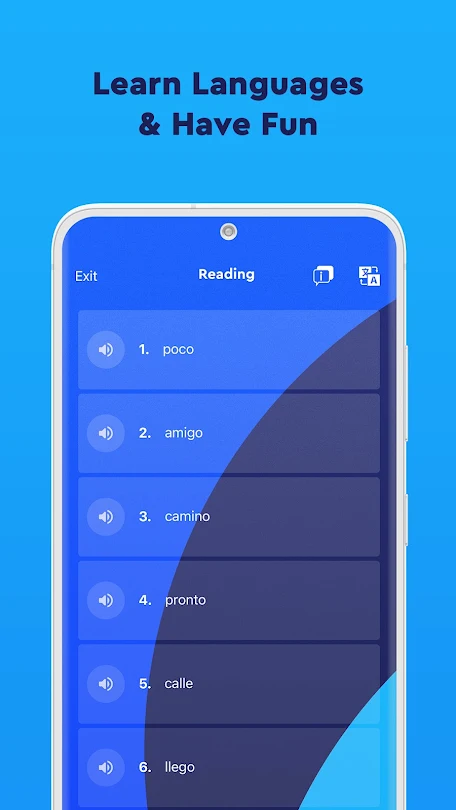
The main difference is how these two platforms treat grammar and literacy. Pimsleur relies on implicit learning, meaning you absorb grammar rules naturally through context. It places almost zero emphasis on spelling, writing, or reading the alphabet. If you need to write emails or read signs in your target language, Pimsleur will leave you unprepared.
Babbel takes the opposite path by making direct instruction central to its lessons. You will spend a lot of time looking at your screen, matching images, and typing out words. While this builds strong reading and writing skills, seeing the written words first can sometimes skew your pronunciation. Additionally, Babbel requires an active internet connection for its speech recognition, whereas Pimsleur lets you download full audio lessons to use offline.
Price and value compared
Your costs depend on how many languages you want to learn. Pimsleur offers a Premium Monthly plan for $19.95 and an All Access Monthly plan for $20.95. If you prefer annual billing, you can choose Premium Annual for $149.95 or All Access Annual for $164.95. For a one-time payment, Pimsleur offers a Lifetime Subscription for $479. Because the All Access plans include all fifty-one languages, Pimsleur is great value if you want to study multiple languages. Babbel is cheaper if you only want to learn one language. Its 1-Month Plan costs $17.95, the 3-Month Plan is $45.75, and the 6-Month Plan is $80.70. You can also get a 12-Month Plan for $107.40 or a Lifetime Plan for $299.99. Babbel only offers fourteen languages, so it is less useful for obscure dialects. Neither platform has a free tier, so you must pay upfront to start.
Which one to choose
Choose Pimsleur if:
- You want to focus entirely on speaking and listening without staring at a screen.
- You want to develop a natural accent by mimicking native speakers.
- You have thirty minutes of quiet time to practise speaking out loud.
- You want to learn one of fifty-one languages, including rare or regional dialects.
Choose Babbel if:
- You want clear explanations of grammar rules and sentence structures.
- You need to practise reading, writing, and spelling alongside speaking.
- You prefer short ten to fifteen minute lessons that fit into a busy day.
- You want a cheaper lifetime plan to learn a single language.
When Babbel wins. Babbel is the better choice when you need to learn how to write and spell in your new language, or when you only have ten minutes a day to study on your commute.
FAQ
Is Babbel cheaper than Pimsleur?
Yes, Babbel costs less. Babbel is $17.95 for a single month, and its twelve-month plan is $107.40. Pimsleur costs $19.95 or $20.95 monthly, and its annual plans cost $149.95 or $164.95. Babbel also has a cheaper lifetime plan at $299.99 compared to Pimsleur at $479.
Can you use Pimsleur and Babbel together?
Yes, they work well together. Pimsleur focuses almost entirely on speaking and listening, but lacks reading and writing practice. Babbel fills this gap by teaching you how to spell, read, and understand grammar rules. Using both helps you build a complete set of language skills.
Does Pimsleur or Babbel make you fluent?
Neither app will make you fluent on its own. Pimsleur is great for building speaking confidence and a natural accent. Babbel is better for understanding sentence structure and reading. To reach true fluency, you must eventually practise speaking with real people.
Does Babbel actually teach you to speak?
Yes, Babbel teaches you to speak through guided dialogues and speech recognition. Its Babbel Speak AI helps you practise conversations in a low-pressure way. However, these conversations are highly structured, so they do not prepare you for spontaneous, real-world chats.
Choosing between audio-only practice and screen-based grammar drills is a trade-off. If you want both, you can get personalised audio lessons and live speaking practice with HearSay.