Most language apps treat learning like a mobile game. You tap tiles and maintain streaks, but you still struggle to say a single real sentence to a native speaker. If you are tired of matching pictures to cartoon characters, you need a different approach.
This leaves you choosing between Duolingo and Language Transfer. One is a massive, colourful app with millions of users, while the other is a quiet, audio-only project designed to teach you the structural logic of a new language. They work in completely opposite ways, and picking the wrong one will waste your time.
Verdict: Choose Language Transfer if you want to understand how a language works and build your own sentences from the first lesson. It is a brilliant, free alternative for serious learners. Pick Duolingo if you need visual aids, want to learn a rare language, or rely on game-like rewards to build a daily habit.
| Feature | Language Transfer | Duolingo |
|---|---|---|
| Speaking Practice | Active oral sentence formation with self-evaluated pronunciation. | Automated speech recognition with generative AI video calls. |
| Grammar Depth | Logical breakdown of structural rules and morphological links. | Implicit learning through patterns with sparse systematic guides. |
| Listening Variety | Highly restricted to the host and one non-native learner. | Multiple professional voice actors and regional AI accents. |
| Vocabulary Breadth | Intentionally limited to essential core grammatical structures. | Extremely broad collections of thematic vocabulary. |
| Feedback Quality | Self-directed comparison with the on-track student. | Instant metric-driven alerts and AI-powered explanations. |
| Offline Usability | Fully built-in free MP3 downloads for offline study. | Offline course syncing restricted to paid Super tier. |
| Writing and Reading | Virtually non-existent with zero written text or alphabets. | Highly integrated with spell-checking and reading stories. |
| UX and Distractions | Muted, minimalist, and completely distraction-free aesthetic. | Hyper-gamified with streaks, leagues, and heavy notifications. |
| Levels Covered | Upper-beginner to solid intermediate structural levels. | A1 to B2 CEFR levels for major courses. |
| Price-to-Value | Unmatched value delivering conceptual frameworks for free. | Varied value due to restrictive free tier hearts. |
| Price | Complete Course Access: $0 forever | Free Tier: $0 month; Super Duolingo (Monthly): $12.99 month; Super Duolingo (Annual): $83.99 to $95.99 year; Super Family Plan: $119.99 year; Duolingo Max (Monthly): $29.99 month; Duolingo Max (Annual): $167.99 year |
_Prices checked 2026-07-30._
Where Language Transfer wins
Language Transfer teaches you how a language actually fits together. Instead of forcing you to memorise random phrases, the platform guides you to build sentences yourself. You learn how verbs and nouns connect through structural rules. This approach helps you construct sentences in your head without any screen-based distractions.
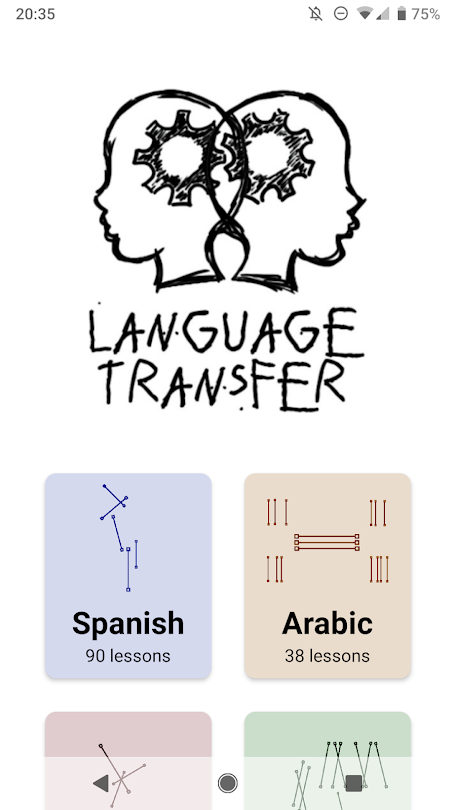
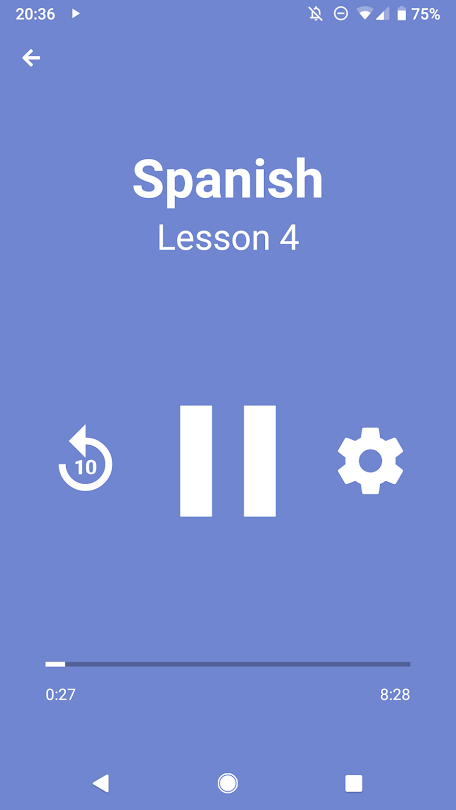
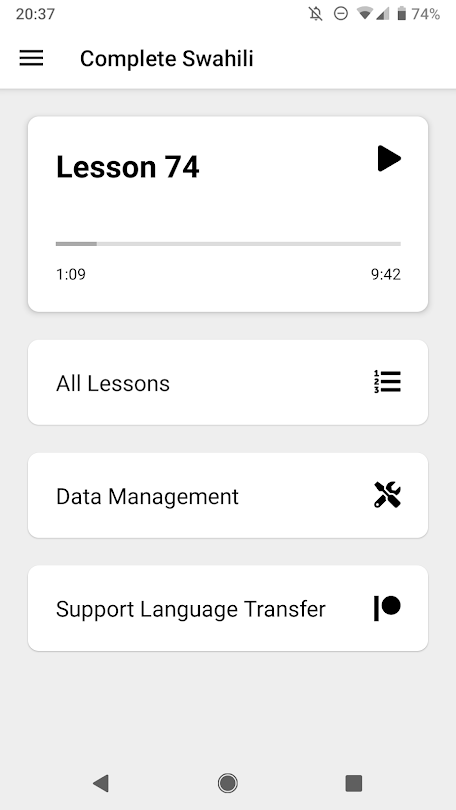
The course is entirely audio-based. You can download the lessons as MP3 files to study offline without paying anything, which makes it easy to learn on the go. This is a huge benefit if you want to study during a screen-free commute.
However, this audio-only method has clear limitations. You will not find any visual aids or writing practice here. The vocabulary lists are intentionally limited to essential structures, and you only hear the host and one non-native student, which limits your exposure to different accents.
Where Duolingo wins
Duolingo is better when you need to build a broad vocabulary and practise reading and writing. The platform offers over 40 languages, including rare options, and added 148 new courses in 2025. You get to listen to multiple professional voice actors and regional accents, which prepares your ears for real-world conversations.
The app builds spelling checks and reading stories directly into your lessons. Its game design keeps you coming back to maintain your streak, making it easy to build a daily habit.
But this engagement comes with a trade-off. The grammar instruction is thin, relying on you to spot patterns rather than explaining the rules. The exercises often feel like solving simple puzzles rather than actively forming your own sentences. If you use the free tier, the restrictive hearts system punishes you for making mistakes.
How the two methods compare in practice
The teaching philosophies of these two platforms are opposites. Language Transfer uses an audio-first approach where you listen to a teacher guide a student through the language. You are prompted to pause the audio, think, and speak your own answer aloud. This method focuses entirely on building sentences in your head and speaking them, helping you think on your feet.
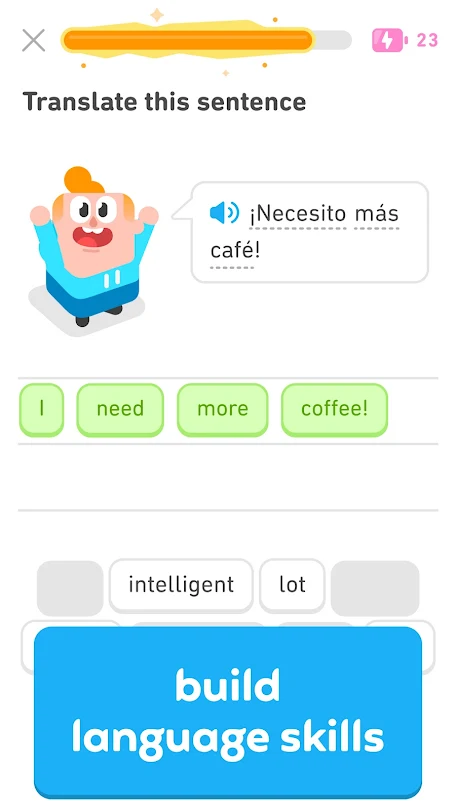
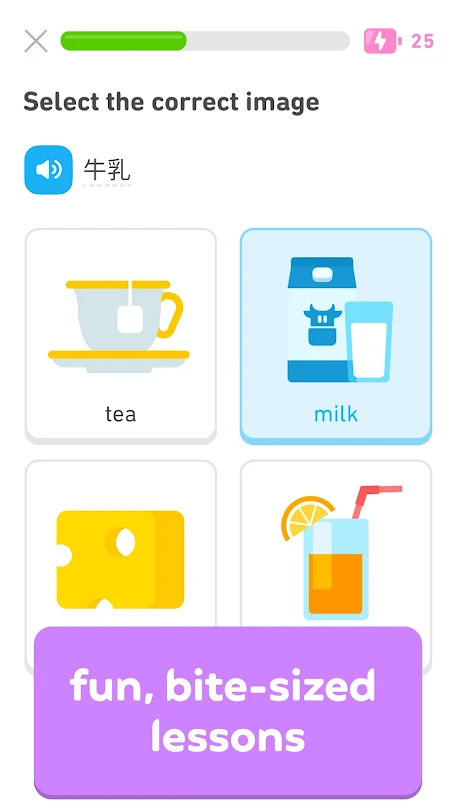
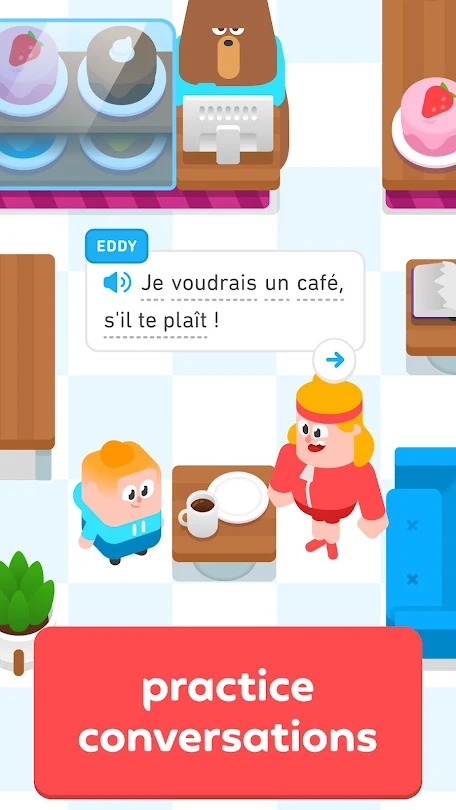
Duolingo relies on a highly visual, screen-based interface. You spend your time tapping word bubbles and translating short sentences. While Duolingo uses automated speech recognition and generative AI video calls for speaking practice, it lacks systematic guides. You learn through repetition rather than understanding the rules, which can leave you feeling lost when trying to hold a real conversation.
Price and value compared
The two platforms offer entirely different pricing models. Language Transfer is completely free. Its courses cost $0 forever, funded entirely by community donations. This is incredible value if you want to master the structure of a language without spending money. Duolingo offers a free tier, but it is heavily restricted by ads and the hearts system. To remove these limits, you can upgrade to Super Duolingo for $12.99 per month, or choose the annual plan which ranges from $83.99 to $95.99 per year. They also offer a Super Family Plan for $119.99 per year. For advanced AI features, Duolingo Max costs $29.99 per month or $167.99 per year. If you want to understand how a language works without paying anything, Language Transfer is the better choice. If you prefer a structured game with visual feedback and have the budget for a premium subscription, Duolingo is the way to go.
Which one should you pick?
Choose Language Transfer if:
- You want to understand the grammar behind sentences instead of just memorising phrases.
- You prefer a distraction-free, audio-only method that you can use while walking or doing chores.
- You want a completely free course with zero ads, paywalls, or restrictive hearts.
- You want to focus on building sentences in your head rather than tapping screen puzzles.
Choose Duolingo if:
- You need visual aids and reading stories to help you learn.
- You want to learn a rare language not covered by Language Transfer's 10 specialised courses.
- You need game-like features and streaks to keep you motivated every day.
- You want to hear a wide variety of voice actors and regional accents.
When Duolingo wins. Duolingo is the better choice when you want to learn a rare language from its list of over 40 options, or when you need visual reading and writing practice with diverse accents.
FAQ
Is Language Transfer completely free?
Yes. Language Transfer is an independent, community-funded project that is completely free. There are no hidden fees, no ads, and no premium paywalls. You can access all 10 of its specialised courses on their website or mobile apps without paying anything.
Can you become fluent with Language Transfer?
Language Transfer builds a strong foundation from upper-beginner to solid intermediate levels. It teaches you the grammar rules to construct your own sentences. However, because it has limited vocabulary and no native accent variety, you will need extra practice to reach full fluency.
Is Language Transfer better than Duolingo?
Language Transfer is better if you want deep grammar explanations and active speaking practice. Duolingo is better if you want to learn vocabulary, practise reading and writing, or need game mechanics to stay motivated.
How does Language Transfer work?
It uses an audio-only method where a teacher guides a real student through the language. You listen to their conversation and pause the audio to think and speak your own answers. It focuses on structural rules and connections rather than memorising lists.
Choosing between game-like screens and pure audio logic depends on whether you want quick vocabulary drills or deep structural understanding. If you want to focus entirely on speaking and listening with real-world conversations that fit your daily routine, try HearSay.