You can understand German podcasts, read the news, and follow conversations. Yet, when you try to speak, the words vanish. This gap between comprehension and speech is incredibly common. Most online lists suggest the same generic apps, but the language learning community on Reddit has a different approach. They focus on active production rather than passive listening. If you want to know how to practise speaking German, you need tools that force you to produce the language. This roundup bypasses the gamified apps that keep you tapping screens. Instead, we share the community-vetted resources that actually help you speak.
Quick answer: To practise speaking German, focus on active production rather than passive listening. The community recommends shadowing audio courses, speaking aloud to yourself, and using audio-focused tools. The most popular resources are interactive audio programmes and speaking-focused channels that force you to repeat sentences aloud.
How this list was made. We read 24 Reddit threads across r/languagelearning and r/German, counted which resources the community actually recommends, then verified that every recommendation below is real and still available. The picks are ordered by how often independent threads recommend them.
Apps and tools
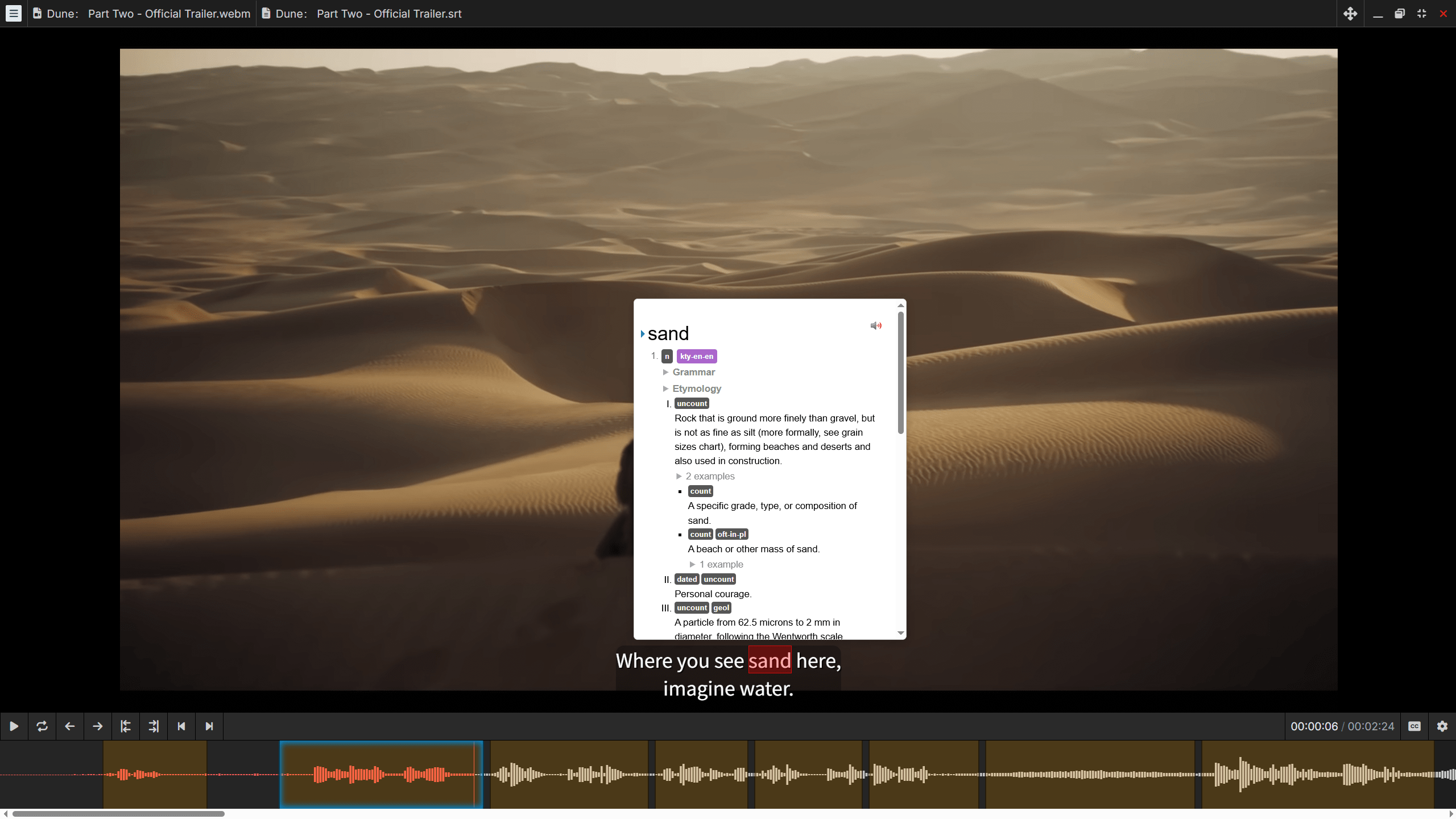
asbplayer
This browser-based media player and extension turns video streaming into active study. Designed for intermediate German learners at A2 to B2 levels, it lets you overlay subtitle files onto Netflix or YouTube to capture audio and generate Anki cards. It works well if you want to build custom flashcards directly from the shows you watch. However, it is not a plug-and-play solution. You have to source your own subtitle files and manage your own Anki setup, which means absolute beginners or anyone who dislikes technical tinkering will find it frustrating.
LangPanda
LangPanda parses German videos from YouTube and Netflix to turn screen time into active study. Designed for intermediate learners from A2 to B2 level, this tool uses FSRS spaced repetition to help you memorise vocabulary directly from the shows you watch. It builds a practical vocabulary bank from real-world media. However, absolute beginners will struggle with the native speed of the videos, and the tool does not provide structured grammar lessons. If you need a guided path or cannot yet follow basic spoken German, this video-first approach will not work for you.
Language Reactor
Language Reactor is a browser extension that displays bilingual subtitles simultaneously on Netflix and YouTube to help you practise speaking and shadowing. This setup works for A2 to B2 learners who want to transition to native video content. However, it is strictly a video tool rather than a complete language course. It does not teach grammar rules or vocabulary from scratch, and you cannot use it without a compatible desktop browser, making it useless for hands-free learning on your daily commute.
lingua-miner
Tech-minded German learners can build their own study materials using lingua-miner. This local, offline open-source application uses Whisper AI to transcribe videos or podcasts, then exports those audio snippets directly into Anki. It is built for intermediate learners from A2 to B2 who want to turn their favourite media into custom flashcards. However, because it is a self-hosted tool hosted on GitHub, it is useless if you dislike troubleshooting or want a simple, ready-to-use app. You will need some technical confidence to get it running.
Migaku
Migaku maps your vocabulary as you watch to turn video hours into active study sessions. Designed for intermediate German learners at A2 to B2 levels, this tool lets you create multimedia flashcards from Netflix and YouTube with a single click. The community values how it captures real-world context directly from your favourite shows. However, it does not work for absolute beginners who lack the basic grammar to understand native media. You also need to spend time managing your card decks, so it will frustrate those who prefer a completely hands-free, passive listening experience.
mpvacious
Mpvacious is a specialised script for the offline mpv media player, built specifically for German learners who want to create their own study materials. It allows power-users to instantly snap screenshots, cut audio clips, and sync flashcards directly into Anki. This tool works for intermediate learners from A2 to B2 levels who prefer a highly customised, hands-on approach to vocabulary building. However, it is useless for casual learners. Because it requires you to run a specific offline media player and configure scripts, the technical setup will frustrate anyone looking for a simple, plug-and-play language app.
substudy
Running entirely in the terminal, substudy cleans, aligns, and merges bilingual subtitle tracks to export video segments directly into Anki-ready templates. German learners at A2 to B2 levels use it to slice up foreign-language media for targeted vocabulary study. By automating the tedious process of syncing text with audio, it helps you build personalised flashcards from your favourite shows. However, because it lacks a graphical user interface, it is useless for anyone who is uncomfortable using command-line prompts or wants a simple, one-click browser extension.
Y'ALL Media Player
Y'ALL Media Player slices up video files for pronunciation practice. This offline tool automatically cuts your German video files into short, subtitle-based clips, making it much easier to focus on shadowing and repeating specific phrases. It works for A2 to B2 learners who want to bridge the gap between listening and speaking using their own downloaded films or shows. However, it is not a plug-and-play streaming service. If you do not have your own video and subtitle files ready to upload, this tool is useless to you. Absolute beginners will also find the lack of built-in lessons or translations impossible to navigate.
Courses
DW Deutsch Lernen
Deutsche Welle provides a structured, interactive platform that takes you from absolute beginner to upper-intermediate German. The course uses story-based programmes like Nicos Weg alongside simplified news articles to help you practise grammar and vocabulary in context. It works well because of its clear progression and practical exercises. However, because the material stops at the B2 level, advanced speakers will need to look elsewhere. The heavy focus on reading and interactive screen exercises also means it does not work for hands-free learning or real-time conversation practice.
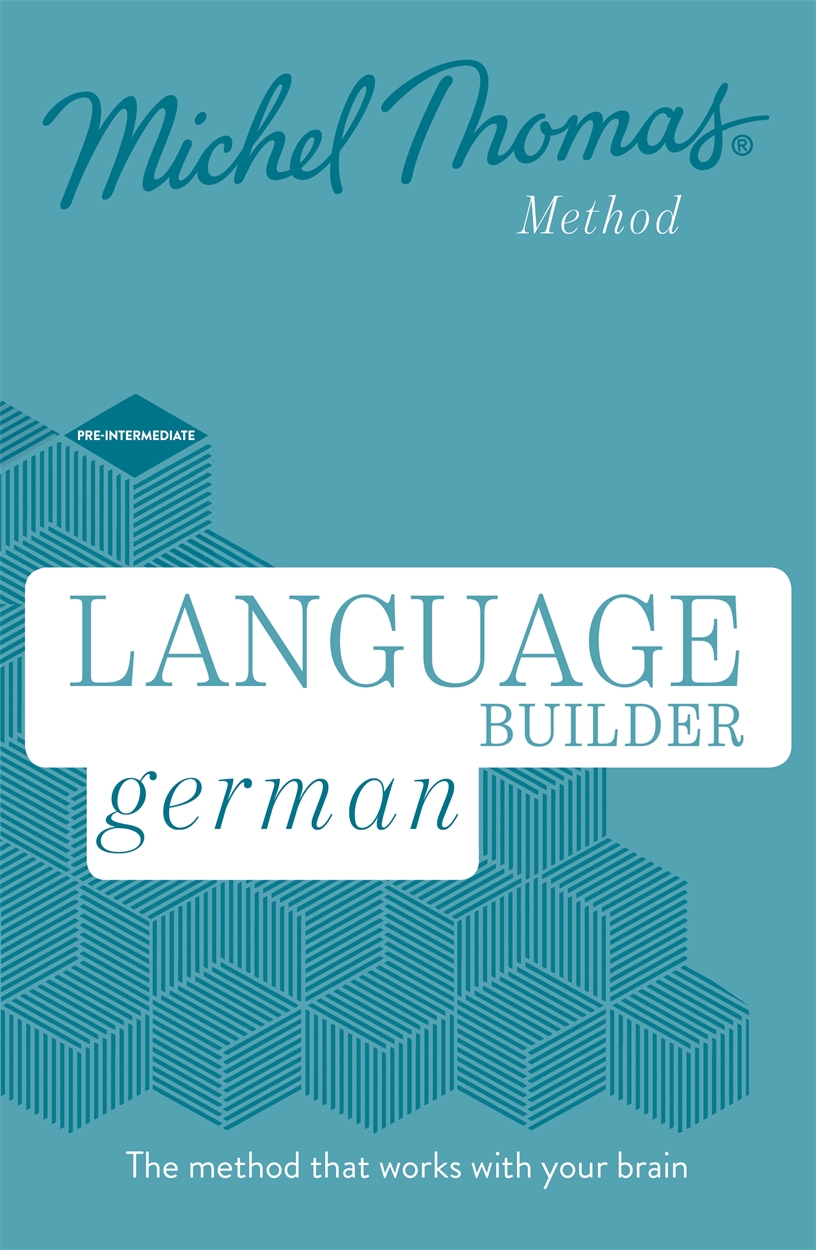
Michel Thomas Language Builder German
This conversational audio course helps intermediate learners reinforce and build upon the structural foundations of German. It targets the A2 to B1 level, focusing entirely on speaking and listening to develop your confidence. However, because it is a purely audio-based programme, it does not teach reading or writing. It does not work for absolute beginners, as the lessons assume you already have a basic grasp of the Michel Thomas method.
Visit Michel Thomas Language Builder German
Michel Thomas Method German
Michel Thomas Method German abandons textbooks entirely, focusing instead on building spoken confidence. The course teaches by introducing structural building blocks and prompting you to construct sentences out loud. It works for A2 to B1 learners who want to focus on conversational skills. However, because the method is completely book-free, it will frustrate anyone who learns best by reading or writing. It also stops at the B1 level, so advanced speakers will need to look elsewhere.
Visit Michel Thomas Method German
Pimsleur German
Pimsleur German relies entirely on audio to build your speaking confidence. It uses spaced repetition and what it calls the Principle of Anticipation to prompt you to speak aloud. This structure helps you learn to speak without thinking, pushing you to respond to prompts in real time. The course targets the A2 to B1 level, which works for intermediate learners who want to focus on pronunciation and memory. However, because it is an audio-only course, you will not get any reading or writing practice, which will frustrate anyone who needs visual grammar tables or text-based exercises.
Pimsleur German Lifetime Subscription
Pimsleur German Lifetime Subscription offers a high-intensity oral workout designed to build conversational German skills. This course targets the A2 to B1 levels, using structured repetition to help you speak without thinking. It works for learners who want to focus entirely on speaking and listening. However, the audio-only focus means it does not work for those who need visual grammar tables, reading practice, or writing exercises to learn. Learners who need to read German literature or pass a written exam will find it insufficient.
Visit Pimsleur German Lifetime Subscription
YouTube channels
Easy German YouTube Channel
Street interviews form the backbone of this popular YouTube channel, which captures real German as it is actually spoken. By filming unscripted conversations across various German cities, the channel exposes learners to colloquial phrasing and genuine regional dialects. It works for intermediate learners from A2 to B2 level who want to train their ears to natural speech. However, absolute beginners will find the unscripted pace and diverse dialects overwhelming, as the channel lacks structured grammar instruction. Use it for listening practice rather than building a foundation from scratch.
Visit Easy German YouTube Channel
Websites and newsletters
Easy German
Easy German hosts an interactive platform to help you actively practise natural street interviews. By offering transcripts and resources, it works for learners at the A2 to B2 levels who want to move past textbook dialogue and master real-world vocabulary. The focus on authentic street conversations helps you build the skills to speak without thinking, though absolute beginners will find the fast, unscripted speech overwhelming. It is not a structured grammar course, so you will need to look elsewhere if you want systematic verb tables or formal writing practice.
FAQ
How can I practise speaking German on my own?
You can practise speaking German alone by using the shadowing technique. This involves listening to native audio and repeating the words immediately after you hear them. You can also describe your daily activities aloud or use interactive audio tools that prompt you to speak.
Is Duolingo good for speaking German?
No. Gamified apps focus on translation, vocabulary matching, and tapping screens. They do not require you to construct sentences aloud or engage in real conversations. To build speaking confidence, you need resources that require active verbal production.
How do I transition from passive to active German?
To activate passive German vocabulary, you must force yourself to produce the language. Stop just listening and start speaking. Use shadowing, read aloud, and use tools that require you to answer prompts verbally. This builds the muscle memory needed for real conversations.
How long does it take to speak German fluently?
Fluency depends on how much time you spend actively speaking rather than just studying grammar. Learners who practise speaking daily progress much faster than those who only read or listen. Focus on consistent verbal practice to speed up your progress.
If you want to turn your passive understanding into active speaking, listening is only part of the process. You need to speak. To practise speaking German in real-world scenarios during your daily walk or commute, start with HearSay today.