A daily audio course you can listen to anywhere — on your commute, on a walk, over coffee. You'll start understanding native speakers and finally feel comfortable speaking, all inside WhatsApp.
Discovering Tokyo fashion – HearSay Japanese A1
Explore the vibrant streets of Harajuku and Shibuya while mastering basic Japanese. Perfect for practicing your listening and speaking skills on the go!
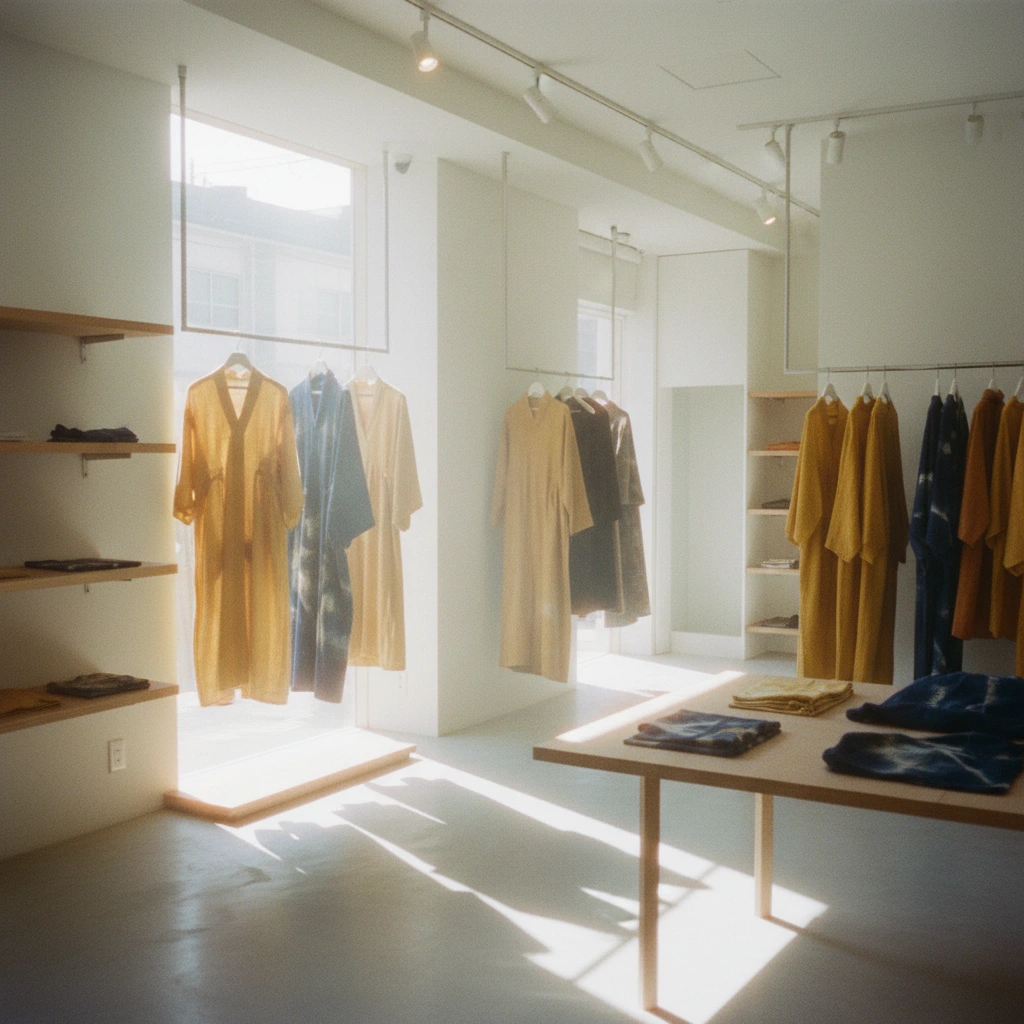
Lessons Welcome to Tokyo fashion Kenji and Sakura meet in Shibuya. They discuss basic clothing items people are wearing.
Vocabulary 服 (clothes) シャツ (shirt) ズボン (pants) スカート (skirt) 着る (to wear) Objectives Name basic clothing items Talk about what someone is wearing Colors of Harajuku Walking through Harajuku, the duo spots vibrant and minimalist outfits.
Vocabulary 赤 (red) 青 (blue) 黒 (black) 白 (white) ピンク (pink) Objectives Identify common colors Describe the color of clothes Cute or cool Sakura explains the difference between cute and cool streetwear styles.
Vocabulary かわいい (cute) かっこいい (cool) 大きい (big) 小さい (small) 新しい (new) Objectives Use adjectives to describe fashion Express basic opinions Shopping for bargains Kenji checks the price of a neo-western shirt at a boutique.
Vocabulary いくら (how much) 円 (yen) 高い (expensive) 安い (cheap) これ (this) Objectives Ask for the price of an item Understand numbers and currency Finding the vintage store Sakura asks for directions to a popular sustainable fashion store.
Vocabulary 店 (shop) 買う (to buy) どこ (where) 右 (right) 左 (left) Objectives Ask for locations of shops Understand basic directions Accessorize your outfit Kenji browses a rack of gender-neutral accessories to complete his look.
Vocabulary 靴 (shoes) 帽子 (hat) バッグ (bag) 靴下 (socks) アクセサリー (accessory) Objectives Name common accessories Point out specific items Traditional Japanese aesthetics The friends admire a modern outfit incorporating a traditional kimono.
Vocabulary 着物 (kimono) 帯 (obi sash) きれい (beautiful) 見る (to see) 伝統 (tradition) Objectives Recognize traditional clothing terms Describe beautiful items Thrifting for vintage layers Kenji looks for an oversized vintage sweater to create a slouchy look.
Vocabulary 古着 (vintage clothing) 古い (old) ジャケット (jacket) セーター (sweater) 時計 (watch) Objectives Talk about old and vintage items Name outerwear clothing What do you like Sakura and Kenji share their likes and dislikes regarding different trends.
Vocabulary 好き (like) 嫌い (dislike) 何 (what) いい (good) 悪い (bad) Objectives Express likes and dislikes Ask someone what they prefer Minimalist and comfortable Exploring Shibuya's sleek shops, they discuss the trend of relaxed, comfortable fits.
Vocabulary シンプル (simple) コート (coat) 眼鏡 (glasses) 楽 (comfortable) とても (very) Objectives Describe comfortable clothing Emphasize adjectives with 'very' In the fitting room Sakura tries on a cozy coquette-style dress and checks the size.
Vocabulary 鏡 (mirror) 試着室 (fitting room) 着てみる (to try on) サイズ (size) ぴったり (perfect fit) Objectives Ask to use a fitting room Discuss sizes and fit Fashion for all seasons The shop is transitioning its display from summer to autumn collections.
Vocabulary 春 (spring) 夏 (summer) 秋 (autumn) 冬 (winter) 暖かい (warm) Objectives Name the four seasons Talk about warm clothing Fashion for everyone They discuss how many modern Tokyo styles are popular across all genders.
Vocabulary 男 (man) 女 (woman) 同じ (same) 違う (different) 人気 (popular) Objectives Talk about men and women Compare if things are the same or different A wonderful outfit today Kenji and Sakura compliment each other's outfits before heading to a cafe.
Vocabulary 今日 (today) コーディネート (outfit) すばらしい (wonderful) 友達 (friend) 一緒に (together) Objectives Compliment someone's outfit Talk about today's plans with friends